
CHIPPS — Specialist Mental Health Service for Children in Care
CHIPPS is Ireland's only specialist mental health service for children in foster care, focused on the impact of developmental trauma. The team aims to support children, carers and families to build better futures together.
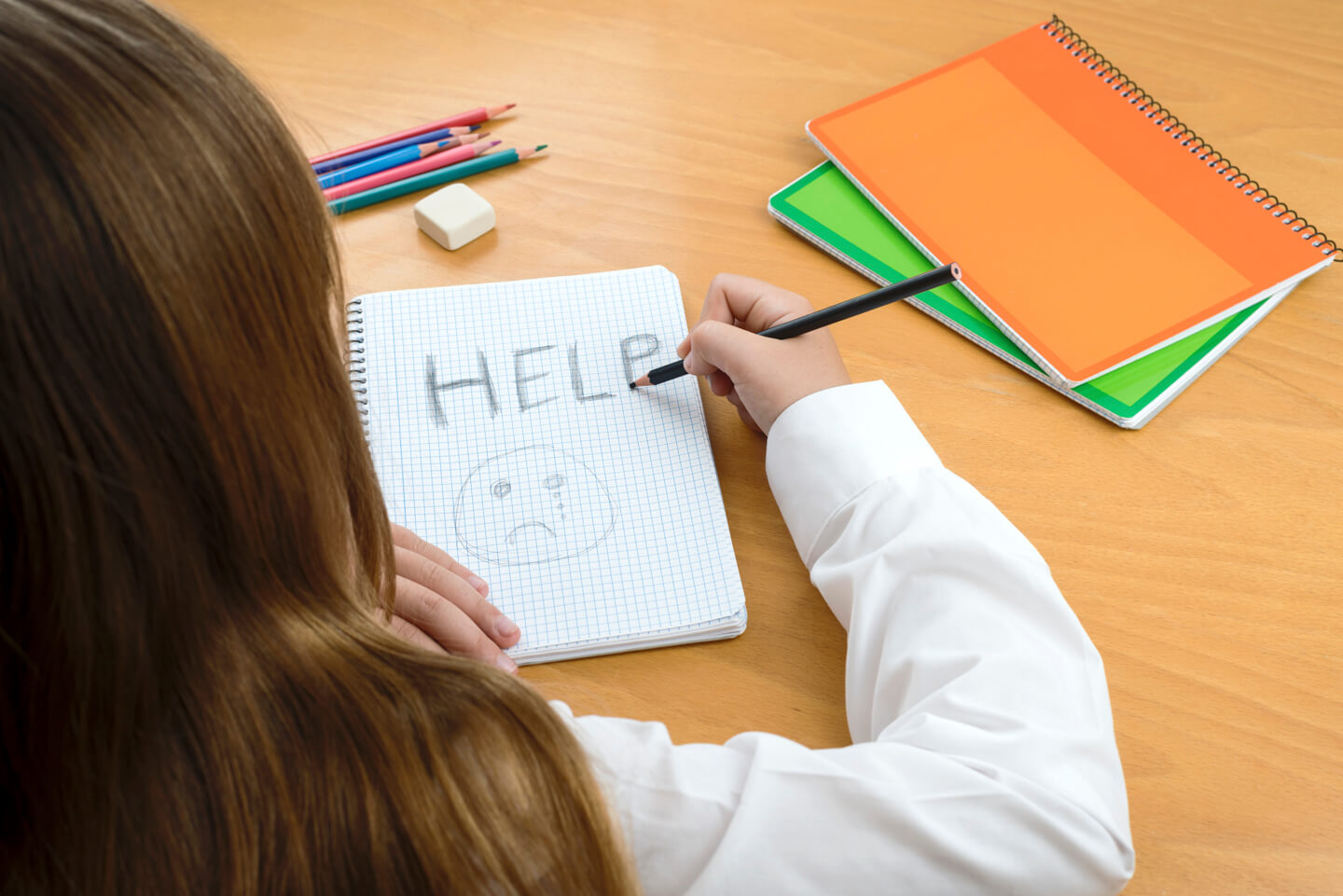

Every child in care deserves the right support at the right time in their lives.
CHIPPS (Children’s Intervention and Prevention Pathways) was established in 2021 as Ireland’s first specialist not-for-profit service for children in foster care, and remains the only service of its kind in the country.
CHIPPS provides trauma-responsive, evidence-based interventions to children and young people aged 5-17 (up to their 18th birthday) who are in foster care, working alongside their carers, schools and social workers.
Many children in foster care have experienced developmental trauma, also known as relational trauma. This kind of trauma is often poorly understood in terms of its presentation and long-term impact on mental health and development.
Show More
Relational trauma is healed relationally. Our multidisciplinary team works with each child and their carer(s); through individual work, dyadic, and group work; using a systemic lens on the relationships around the child – to support processing early experience, to build trust and relational safety with the important people in their lives.
- The only service of this kind in Ireland for children aged 5-18 in foster care
- Specialist focus on developmental (relational) trauma
- Working with children, carers, schools and social workers together
- Uses best practice models, research and evidence-based outcomes to underpin clinical work.
We believe healing happens through relationships, so we support not only the child, but the people around them.
Specialist Mental Health
Ireland's only specialist mental health service dedicated to children and young people in foster care.
Support
The right support at the right time, carefully tailored and sequenced around each child's needs.
Therapeutic Support
Specialist therapeutic support delivered by a multidisciplinary team with expertise in developmental and relational trauma.
Carers
Support for carers, schools and professionals as well as the child, recognising that healing happens through relationships
Who This Service Is For
CHIPPS is a service for children and young people in foster care who are experiencing challenges in their lives due to the impact of developmental trauma. This can present as emotional, behavioural, learning and relational difficulties.
- Eligibility:
- Children aged 5-17 (up to their 18th birthday) in foster care, or kinship care in Cork County.
- Children who are presenting with difficulties relating to developmental trauma or their status as children in care, where this is considered to impact on their daily functioning
- Children where placement stability is of concern
- Foster carers who need specialist guidance and support
- Social workers looking for specialist consultation and support for a child in care

Specialist Focus on Developmental Trauma
Developmental trauma, also known as relational trauma, occurs when there are ruptures in key attachment relationships - for example with a birth parent - or through exposure to adverse experiences including domestic violence, substance use, abuse or neglect. Research shows these experiences shape how a child develops, and how they develop relationships with others.
The CHIPPS team has specialist training in relational trauma; from an in-depth understanding of how the brain and nervous system develop, to attunement, mentalisation, to identifying attachment patterns evolving in response to adverse experience.
This depth of knowledge allows us to offer specialist formulation assessment and therapeutic support that goes beyond diagnostic labels. The focus is on addressing the evolving challenges resulting from early life experiences and broadening out the understanding of developmental trauma. ‘See a child differently and you will see a different child’, is a well known phrase we embed in our practice.

Timing and Sequencing
Our team work together to consider how to meet each child's needs at the best time and in the most effective sequence.
The team draw on a range of backgrounds and skills, including Art Therapy, Play Therapy, Occupational Therapy, Psychology, Family Therapy and Social Care work, giving us a wide range of tools to support our young people. We are mainly clinic-based, and also provide support into the home and school where needed.

Working with Networks
Relational trauma requires relational responses. We work with the professional networks around a child to consider how to meet the needs of the child, carer and other important adults in their life. This ensures we can integrate help effectively into a child's world, and build trust in the carers and professionals around them.
By strengthening the relationships around the child, we create the conditions where healing and recovery can take place.

Consultation Pathway
CHIPPS offers consultation support to professional networks to help ‘Think Through’ a young person's presentation - considering what might have led to this point in their life, what might be helpful, and who the best people are to provide support.
This can be particularly effective when several services are involved in a young person's life, giving everyone a forum to discuss how best to work together.
The consultation pathway is often used while a child is on the waiting list to be seen by the team.
It can involve indirect support to the professionals around the child and family, considering what would be in the best interests of the child/young person.

Evidence-based practice
The team work to ensure we are aligned with best practice and up-to-date evidence in our areas of expertise.
This includes using routine outcome measures and engaging in continuous professional development and research to ensure we provide a quality service to our clients.
Client and professional feedback is important to us, we use it to develop our practice and monitor our effectiveness.
The Team work with the child/young person, their carers and their support systems collaboratively to improve the outcomes for children in care. The CHIPPS Team
Outcomes
- Children who receive CHIPPS support experience improved emotional wellbeing and stronger relationships with their carers, peers and the people around them.
- Foster carers report feeling more confident, more supported, and better equipped to understand and respond to the children in their care.
- CHIPPS provides earlier, more targeted, more appropriate support.
- Without intervention, children who have experienced developmental trauma face significantly worse outcomes, including difficulties in education, physical health problems, social marginalisation, and an increased risk of involvement in the criminal justice system. The cost of not supporting these children – to them, to their families, and to society – is significant.
- CHIPPS uses validated pre- and post-intervention measures, including the Strengths and Difficulties Questionnaire and the Family Life Impact Questionnaire, to track outcomes and is committed to ongoing evaluation of its impact.
Referral Details
If you are a social worker and would like to refer a child, please complete the referral form and include as much detail as possible. This helps us make timely and appropriate decisions on referrals.
New referrals are reviewed by a clinician and discussed at our weekly multidisciplinary team meeting. Referral outcome letters are then sent to the social worker, and associated professionals when a decision is made to accept the referral.
If a referral is not considered appropriate, or for whom more information is needed, consultation with a specialist clinician may be offered, advice and guidance on other appropriate services will be given if not accepted.
If you have a question before referring, you can contact the team by phone or email.
Please note: CHIPPS works with children and young people aged 5-17 (up to their 18th birthday) who are in foster care. We do not currently accept referrals for children in residential care or in Special Emergency Arrangements (SEA).
Show More
The service is not suitable for children:
- With a diagnosis of moderate-severe intellectual disability
- With moderate-severe communication difficulties/who would struggle to participate in therapeutic interventions
- On an Interim Care Order, though this could be reconsidered if longer-term care orders are being sought. Please contact the team to discuss.
Who Can Refer
Tusla Social Work Departments
Geographic Coverage
Cork County. (Under the new Tusla configuration this excludes Kerry referrals under Kerry/North Cork).
Is CHIPPS a mental health assessment service?
No. CHIPPS is an intervention and support service, not a diagnostic assessment service. We use formulation to determine our understanding of the child’s presentation and are here to provide therapeutic support to improve outcomes for children in care.
What is developmental trauma?
Some primary caregivers may not be in a position to provide adequate physical, emotional and psychological safety to children in their care. Developmental trauma refers to harmful or adverse experiences in a child’s life, often related to primary caregivers. Children can also be impacted from pre-birth trauma such as exposure to alcohol/drug use in utero or maternal experiences of violence/toxic stress. These experiences can affect how a child’s brain and body develop, and how they relate to others. Developmental trauma isconsidered cumulative, and can happen over time. This shapes how a child experiences the world around them.
My child has already been diagnosed with ADHD or autism — can they still be referred?
Yes. CHIPPS will carefully consider every referral. Some children carry diagnoses that may not fully explain their difficulties. We take a thorough and trauma-informed approach to assessment and support.
How long will we wait for a place?
Current average waiting time is approximately 9 months. This will vary with caseload demands and staffing capacity. During this time, the CHIPPS consultation pathway may be deemed appropriate to provide support and guidance for social workers, carers and others involved with the child’s care.
What is the difference between CHIPPS and CAMHS?
CAMHS is a diagnostic psychiatry led mental health service for children and young people with moderate to severe mental health concerns. CHIPPS is specifically focused on children in foster care who have experienced developmental trauma. The two services oftenwork closely together – for example, if a child needs medication support, or presents as high risk with low mood or suicidality, CHIPPS will work with CAMHS collaboratively.
Is there evidence that early support for children in care is worth the investment?
Yes. Research from the UK indicates that investing early in specialist therapeutic support is significantly less costly than the alternatives. Without early intervention, children affected by developmental trauma are more likely to face escalating difficulties in education, physical and mental health, and involvement with the justice system later in life, all of which carry a far higher cost to the child and to society.
Has CHIPPS been evaluated, and what has this shown?
CHIPPS is committed to ongoing evaluation of its impact, using validated pre- and post-intervention measures. Our outcomes show stronger relationships with children and carers, better understanding of how to support young people, carers and children having more tools to cope with challenges. Professionals report feeling supported dealing with complexity.



Could this service help someone you support?
When you’re ready, follow the referral steps to get in touch with our team.