
Parent & Infant Unit
A residential parenting capacity assessment and intervention service for parents with their infants, working together to help families stay safe and stay together.
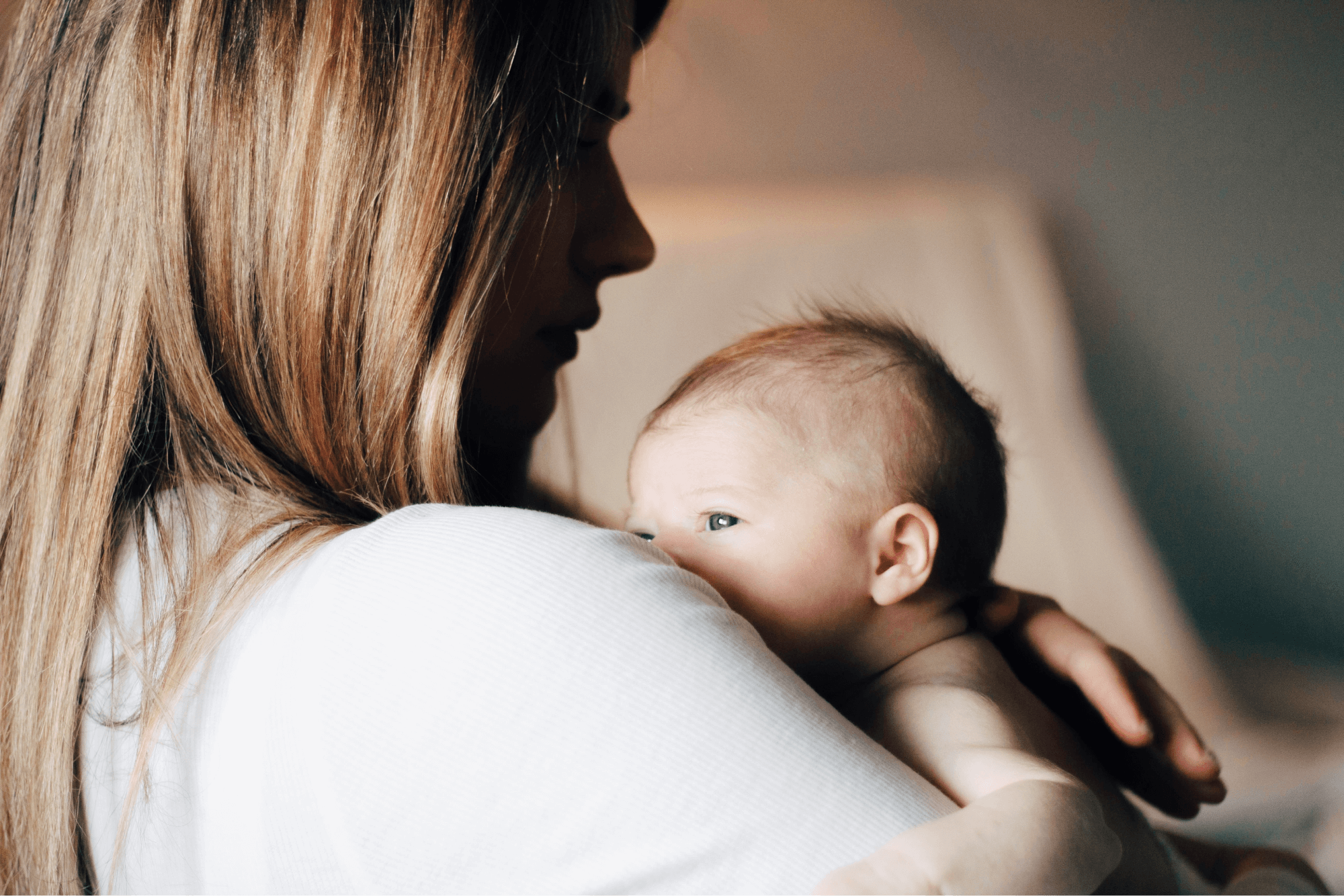
Supporting parents and infants through one of life's most important decisions
The Parent and Infant Unit is a residential service where parents and their infants live on-site while receiving a combination of parenting assessment, therapeutic support, and practical skill development.
The goal is straightforward: to give every family the best possible chance to stay together. Families referred to us are often going through one of the most difficult periods of their lives.
Our team is made up of Social Care professionals, Clinical Psychologists and a Parenting Coordinator, with expertise in parenting and infant mental health.
The team provides around-the-clock support —to guide, encourage and work honestly with each family to help them thrive.
The Parent and Infant Unit’s framework is underpinned by Infant Mental Health, Parenting Development, and Trauma Informed Care principles.
Show More
A recommendation on parents’ parental capacity is arrived at through understanding and weighing up risk and protective factors alongside a parent’s ability to receive intervention in relation to parenting and personal development.
- Residential placements of 12–16 weeks
- Infants aged 0–2.5 years with parent(s) of any age
- Single parent families or couples
- Assessment and therapeutic support delivered simultaneously
- Multidisciplinary team available 24 hours a day, 7 days a week
- Aftercare programme to support the transition home
Who This Service Is For
This service is for parents and their infants where there are concerns about the infant's safety and welfare, and where a more intensive period of assessment and support is needed than can be provided in the community.
- Parents with infants aged 0–2.5 years referred by Tusla
- Families experiencing social and psychological challenges which impact or has the potential to impact the infants care and wellbeing.
- Worries for the family may relate to substance misuse, mental health challenges, domestic violence history, parents with additional learning needs, parents who are identified as vulnerable, or lack of support networks and how these factors impact parenting behaviours and child development.
- Families being referred include;
- Pre-birth referrals where risk is identified before an infant is born
- Families seeking reunification where an infant is already in foster care
- Parents and infants where risk has been identified while living in the community.
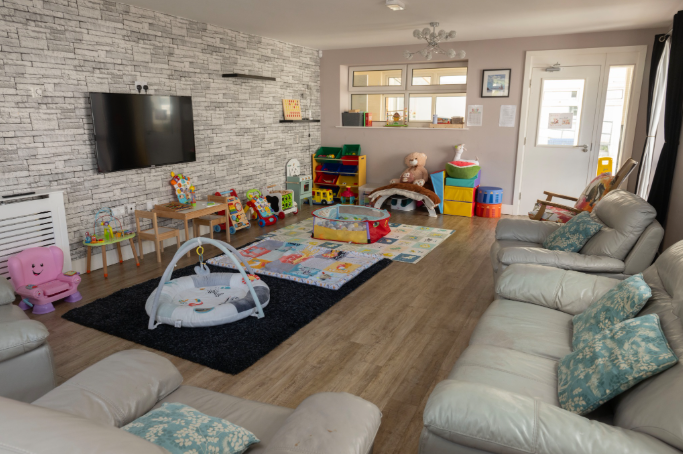
A safe place to focus on what matters most
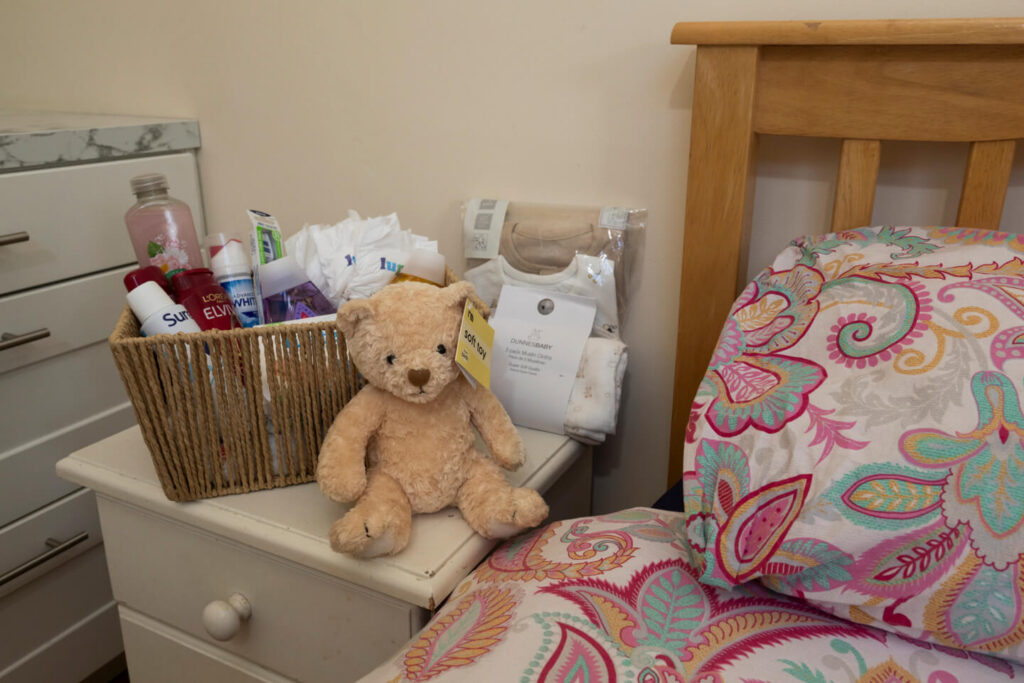
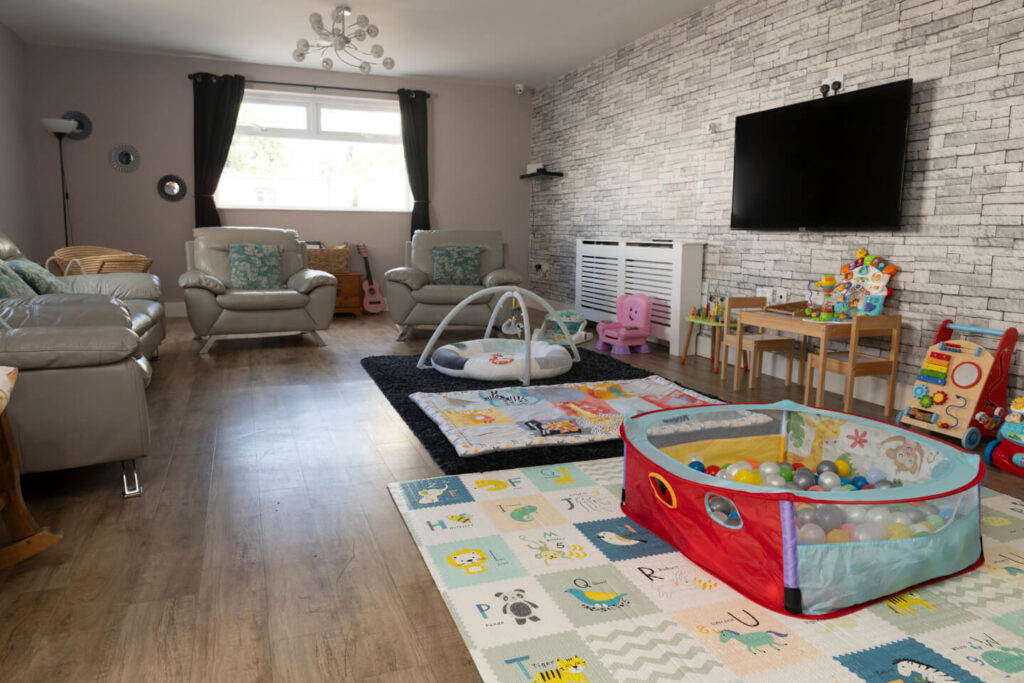
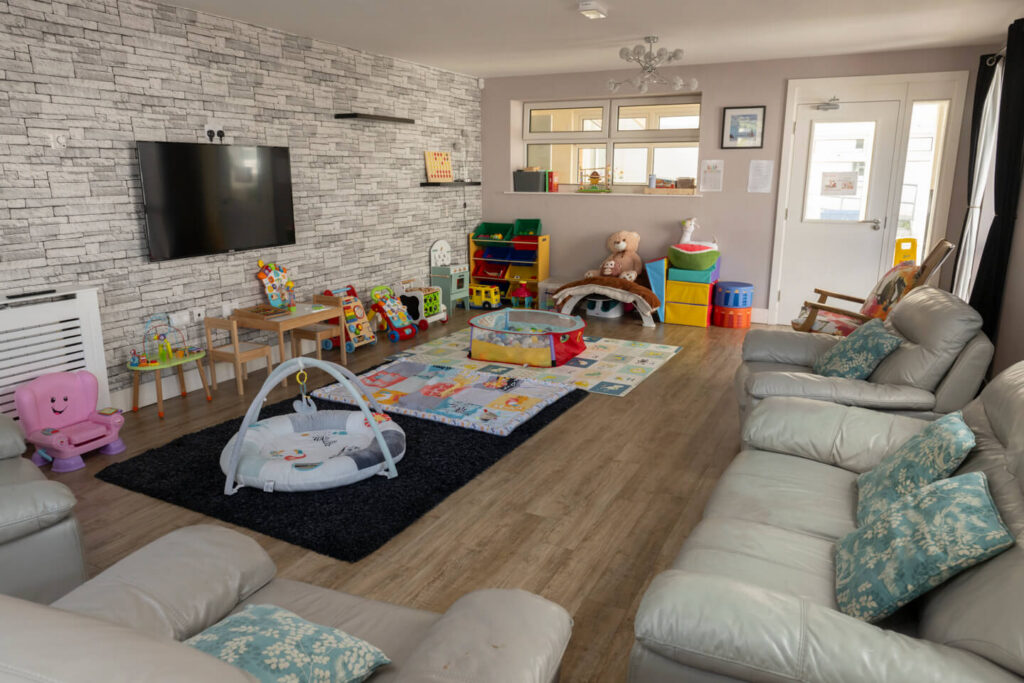
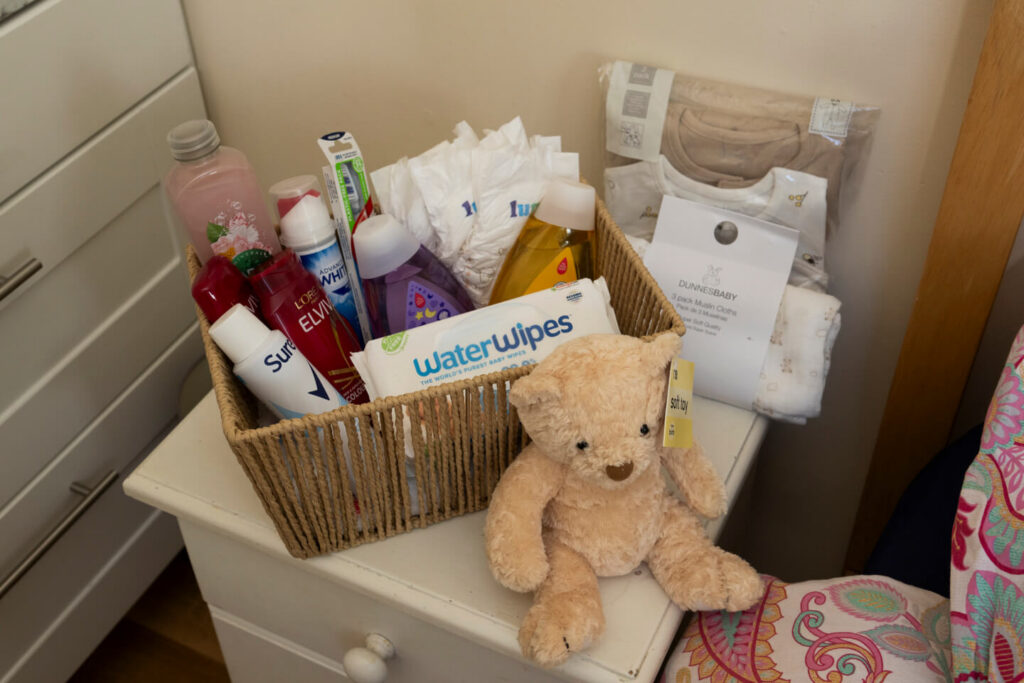
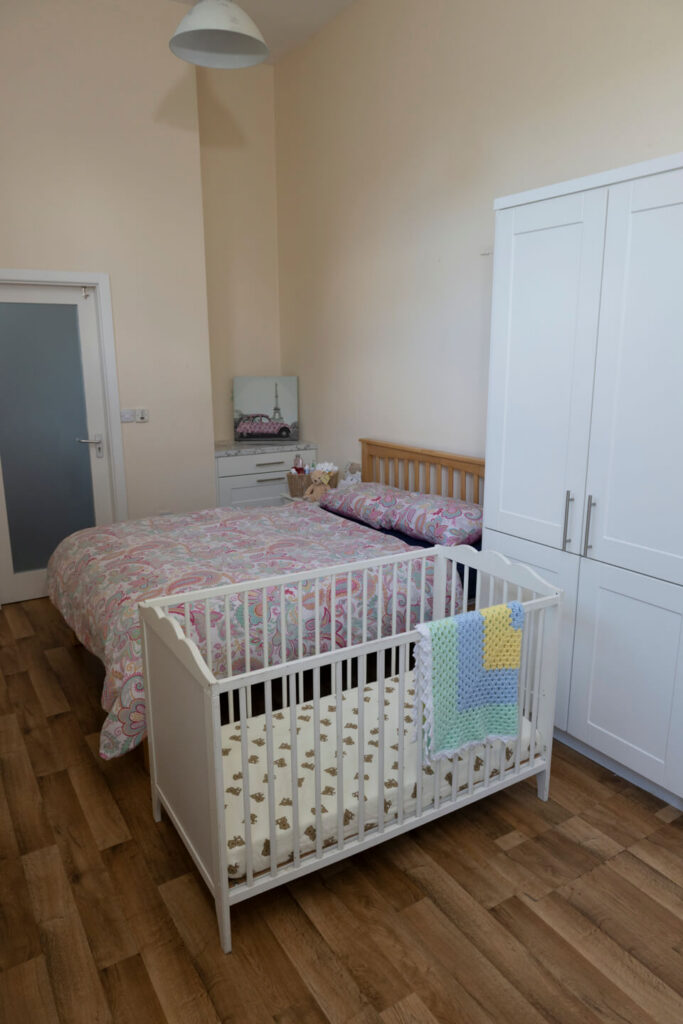
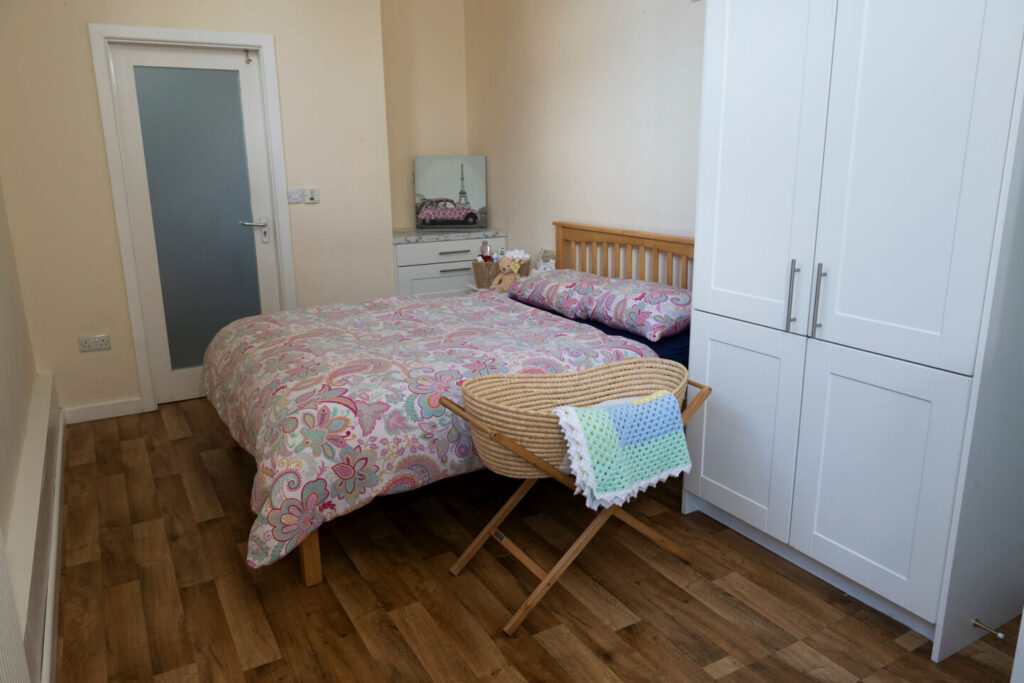
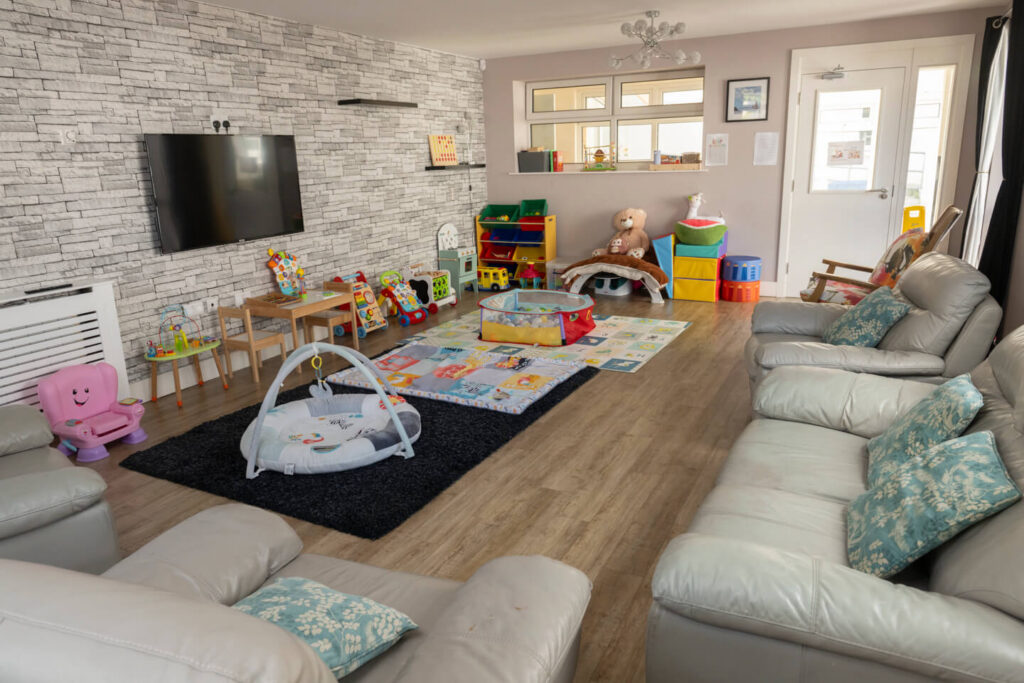
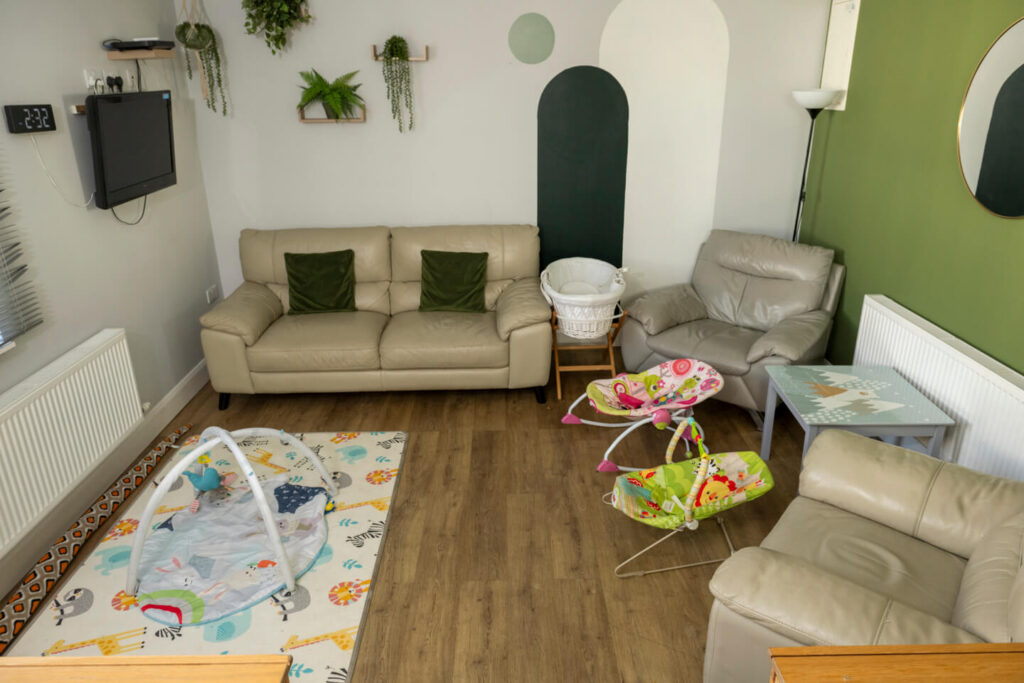
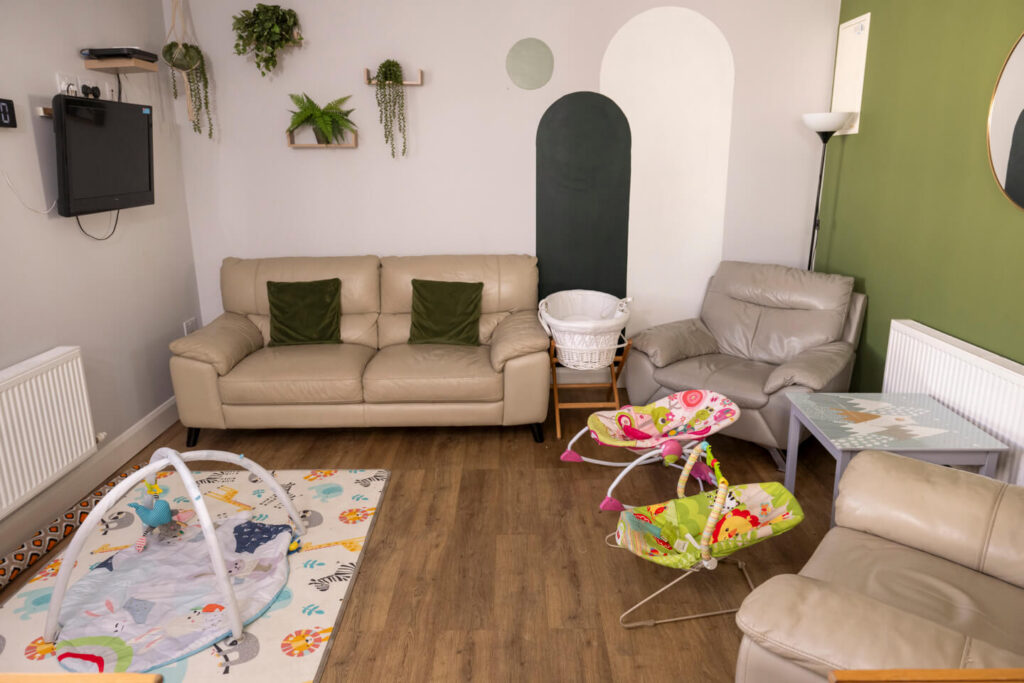
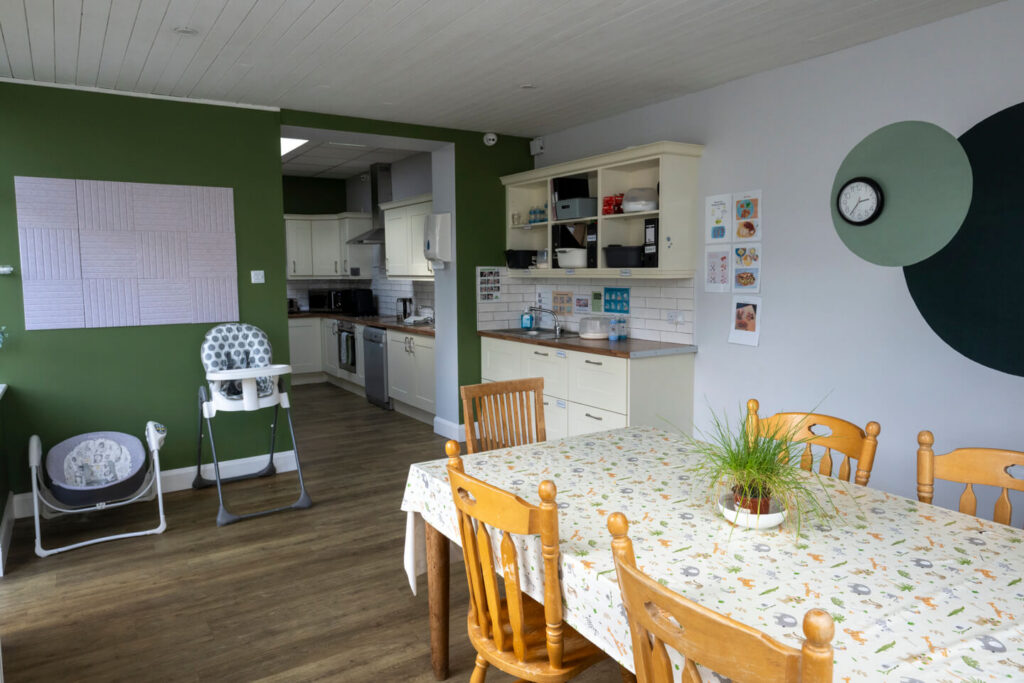
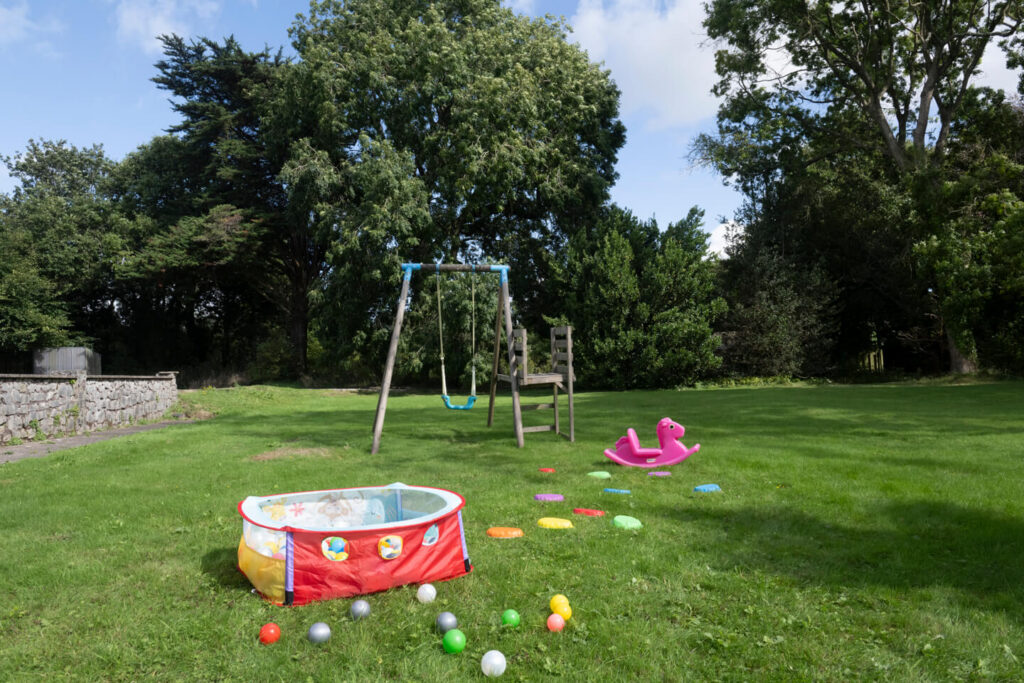
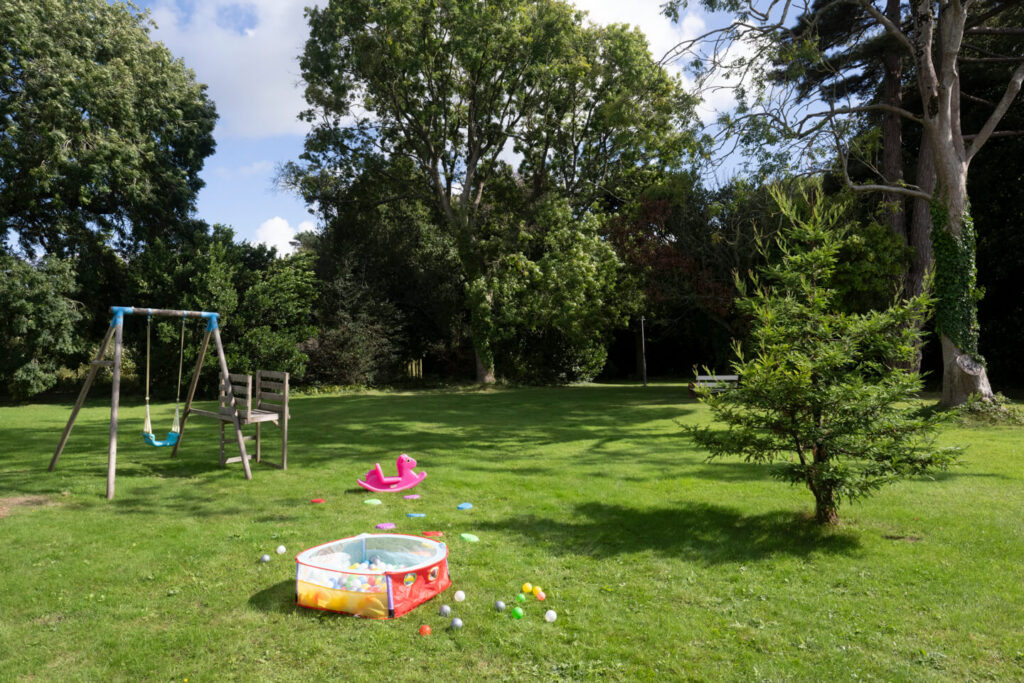
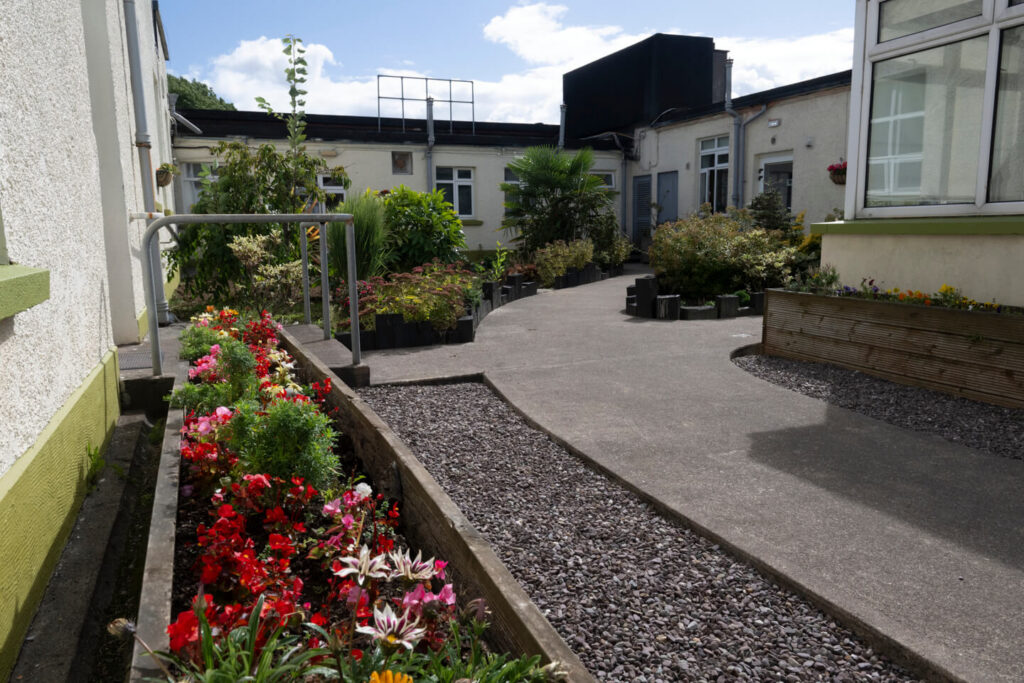
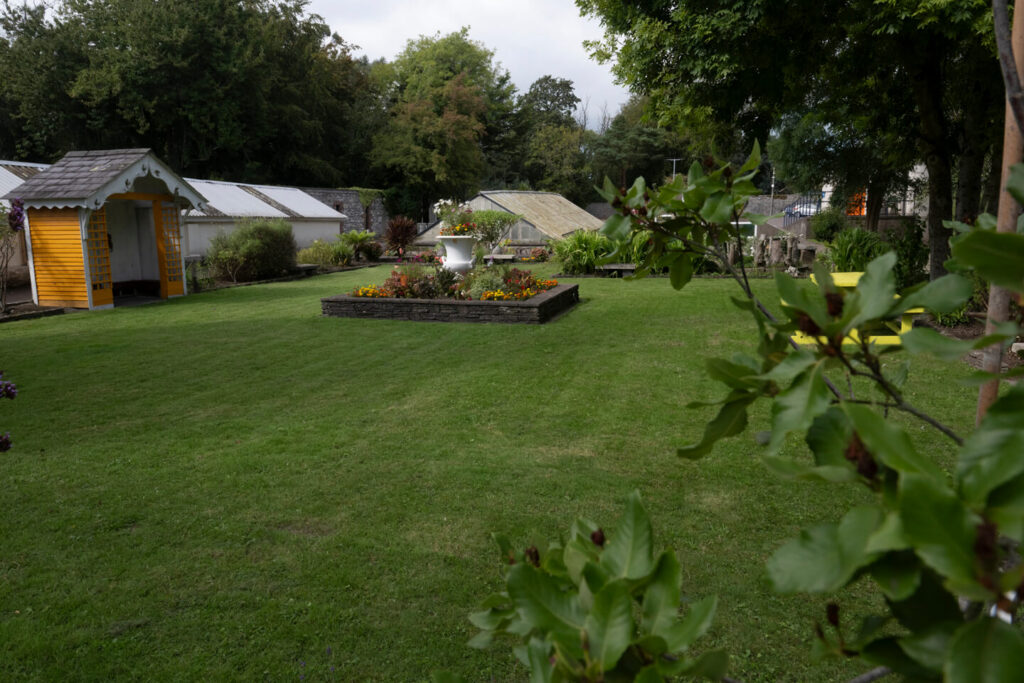
Parents and infants live together in a warm, homely environment designed to support family life. Families have their own private rooms while sharing communal spaces and participating in daily routines, activities and support programmes.
Living alongside the team allows support, learning and reflection to happen naturally through everyday moments as well as structured sessions.
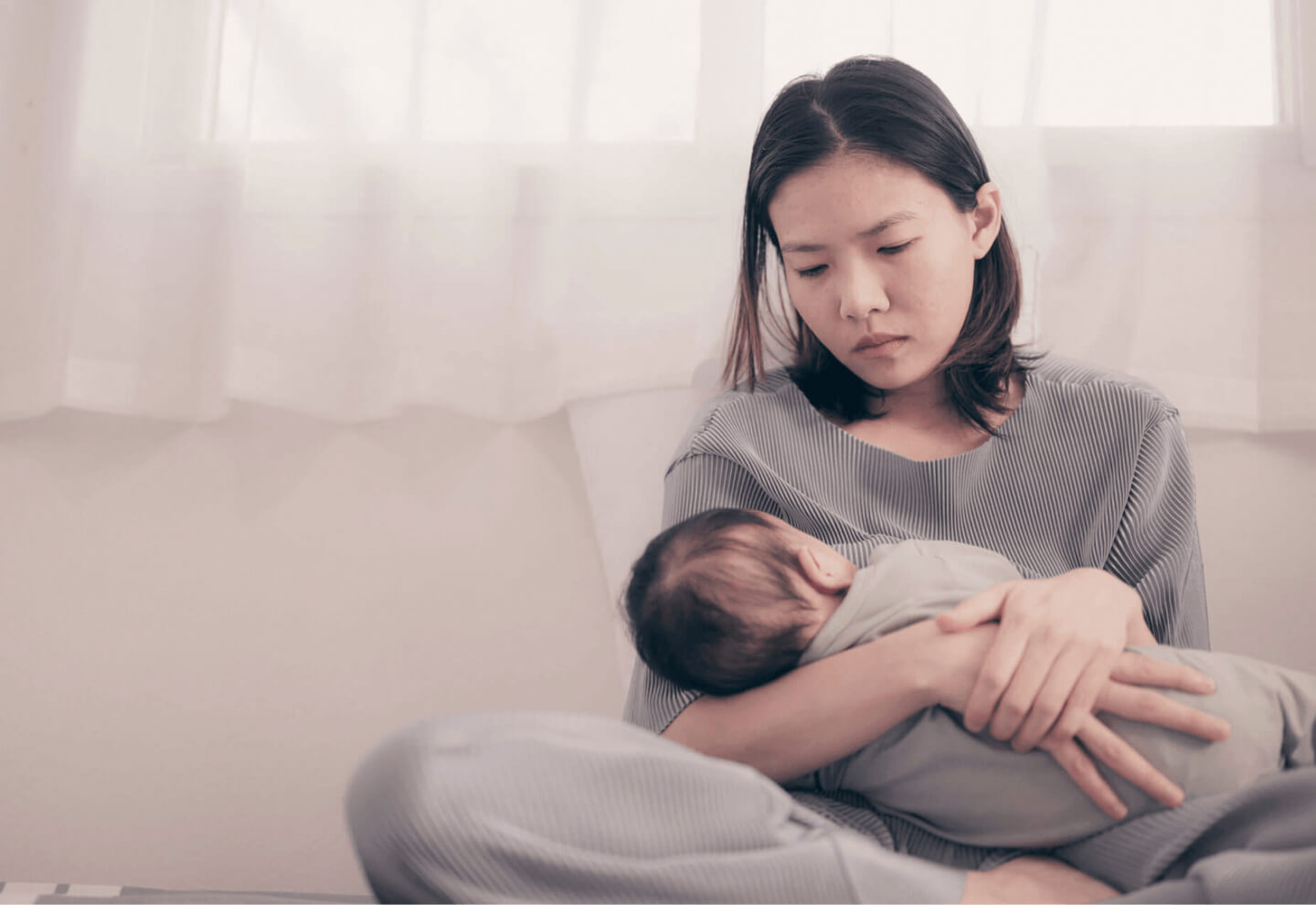
Building Confidence and Strengthening Relationships
The early relationship between a parent and infant lays the foundation for a child's future development, wellbeing and sense of security. Our role is to help parents better understand their infant's needs, build confidence in their parenting, and strengthen the relationship between them.
Each family receives a tailored programme of support designed around their individual strengths, challenges and goals. This may include parenting development work, infant mental health support, therapeutic groups, psychological assessment, counselling and evidence-based programmes.
Working together, we help parents develop the skills, understanding and confidence needed to create safe, nurturing and responsive relationships with their infants.

Transparent, strengths-based approach
We understand that many parents arrive feeling scared, mistrustful or overwhelmed. From the very first meeting, our approach is to be honest, warm and transparent. We explain everything clearly. We look for what is working and build on it. Our aim is always family preservation — and if that is not possible right now, we will support both parent and infant with clear recommendations for what comes next.
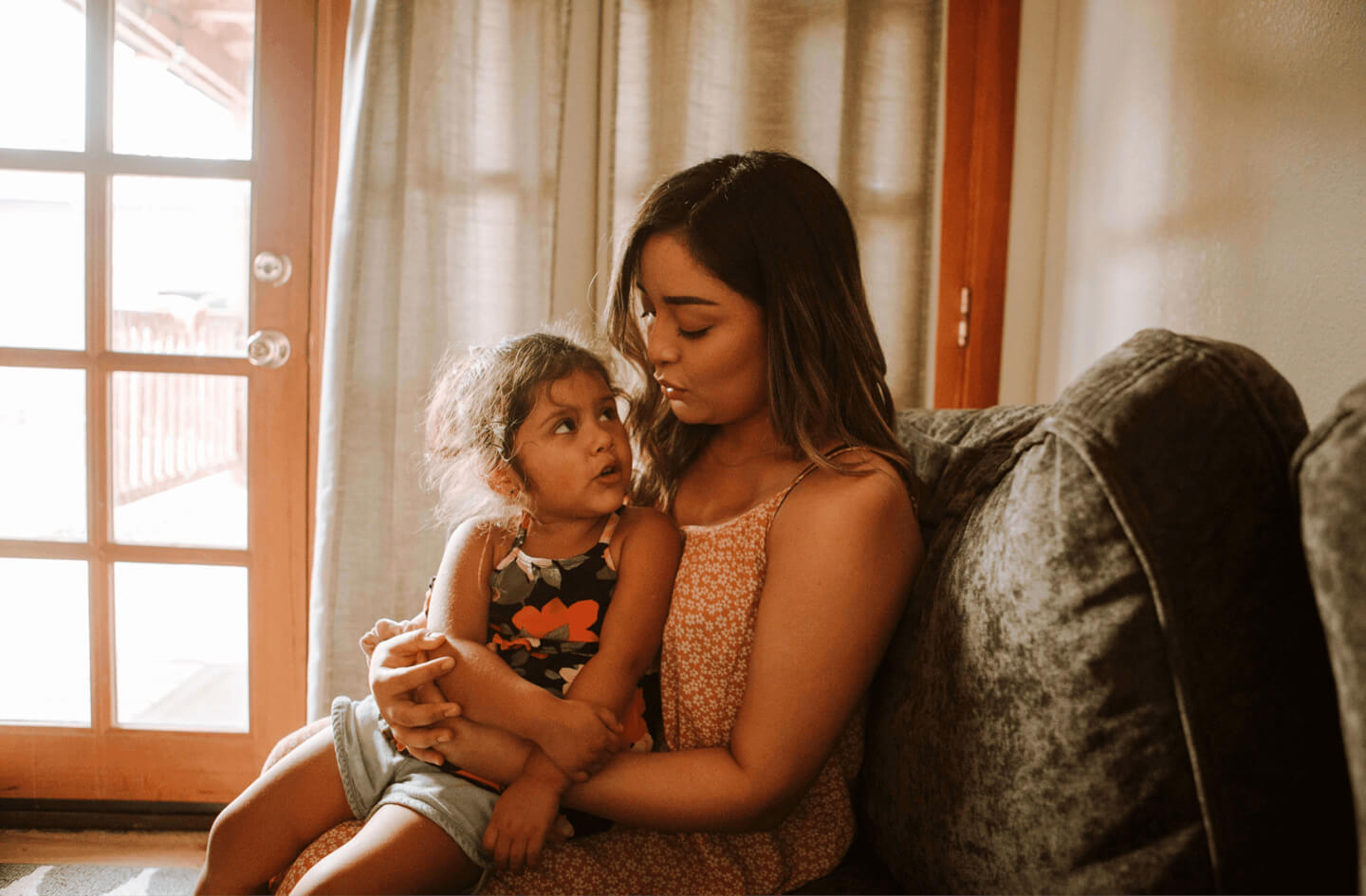
Aftercare — supporting the step back to independence
The end of a placement is not the end of the journey. Our eight-week aftercare programme helps families transition back into community life, connecting them with services, supports and opportunities that can help sustain progress long after they leave the unit.
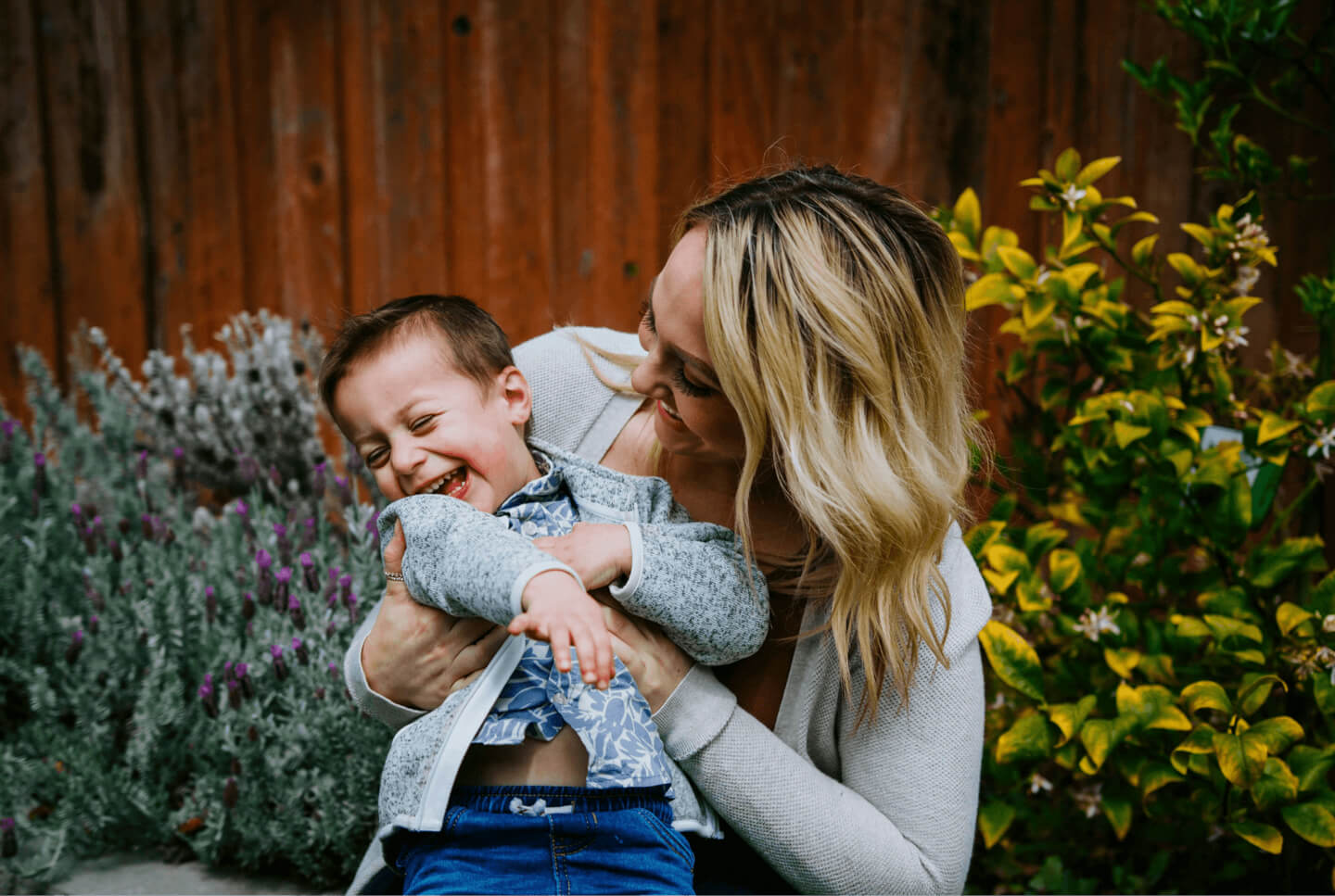
Support shaped around each family
In order to carry out the assessment and offer support, the unit is staffed all day and night to offer advice and support, through role modelling and parenting demonstration.
Parents also attend groups and classes either individual, with their infant or with the other parents during the week.
Psychological assessment
As part of the assessment process, we develop an understanding of how best to support you and your family through psychological assessment.
This tells us about:
- Your learning style or learning support needs
- Your mental health and how best to understand it
- Your parenting style
- The impact your previous experiences may have on your parenting
- Your ability to plan, organise and multi-task – all key cognitive processes for parenting
Show More
Psychological intervention
Parents can engage with a counselling space while resident in the Parent and Infant unit, if this is deemed appropriate at that time.
Parenting support
Parenting intervention, support and learning are core aspects of a residential placement within the Parent and Infant Unit. Parenting is taught in formal sessions and is modelled both on a formal and informal basis. Parents may engage in Circle of Security Parenting programme and/or Parents Under Pressure Parenting Programme.
Key working sessions
Each family has two keyworkers. These are staff members who support a family through their placement, while offering formal sessions on parenting and life skills. They co-ordinate and ensure that the wider team focus is on progressing the parent and infants’ placement plan and the parent and infant’s life in the centre.
Peep Group
This is a weekly infant mental health based parent and baby group. It is baby-centred and aims to promote parental reflective functioning among parents in the group, focusing on how they regard their babies, and themselves as parents.
Emotional Regulation Group
This is an open-ended group programme which meets weekly. The aim of the group is help parents to develop skills in managing difficult feeling, communicate more efficiently and use techniques to regulate their emotions in times of stress.
Parent and Infant sessions
The aim of this work to strengthen the growing relationship between mother/father and baby through play and interaction, promote reflective functioning in parents and support parents to understand and encourage their child’s development.
Aftercare
All parents discharged from the the parent and infant unit can benefit from aftercare. This is a really useful way of continuing to build on skills and personal development achieved whilst resident on the unit.
Baby Massage
A baby massage therapist comes to the unit weekly, offering parents the opportunity to learn massage techniques to use with their infants. The use of massage with infants has a positive impact on bonding, brain and muscle development.
“It turned out to be a positive experience for me. I learned so much about myself and built a confidence I never thought I'd have.”
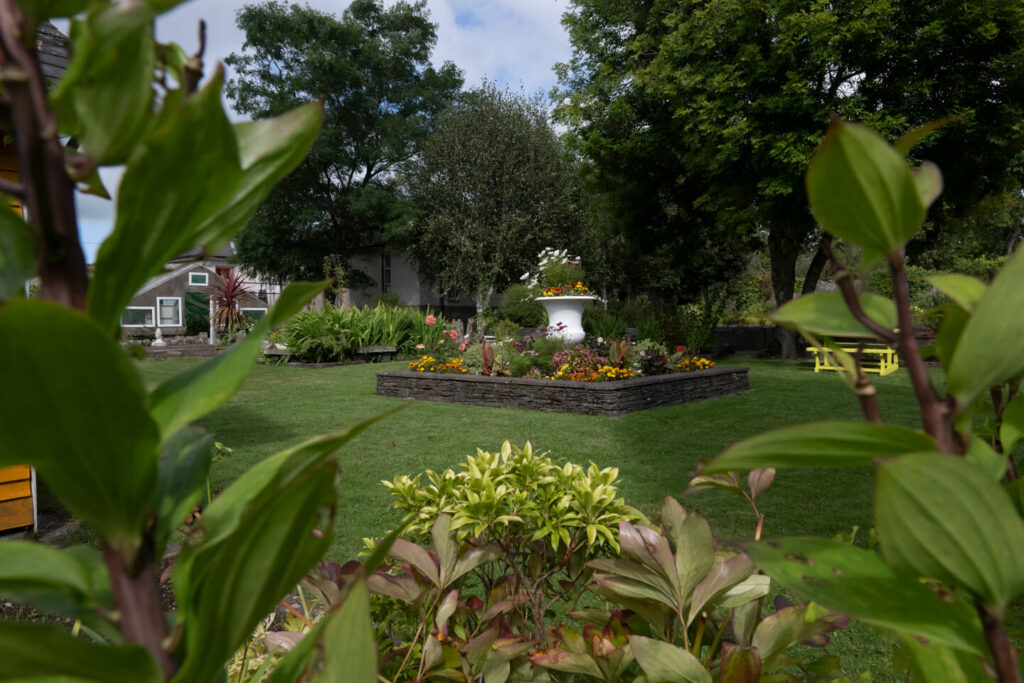
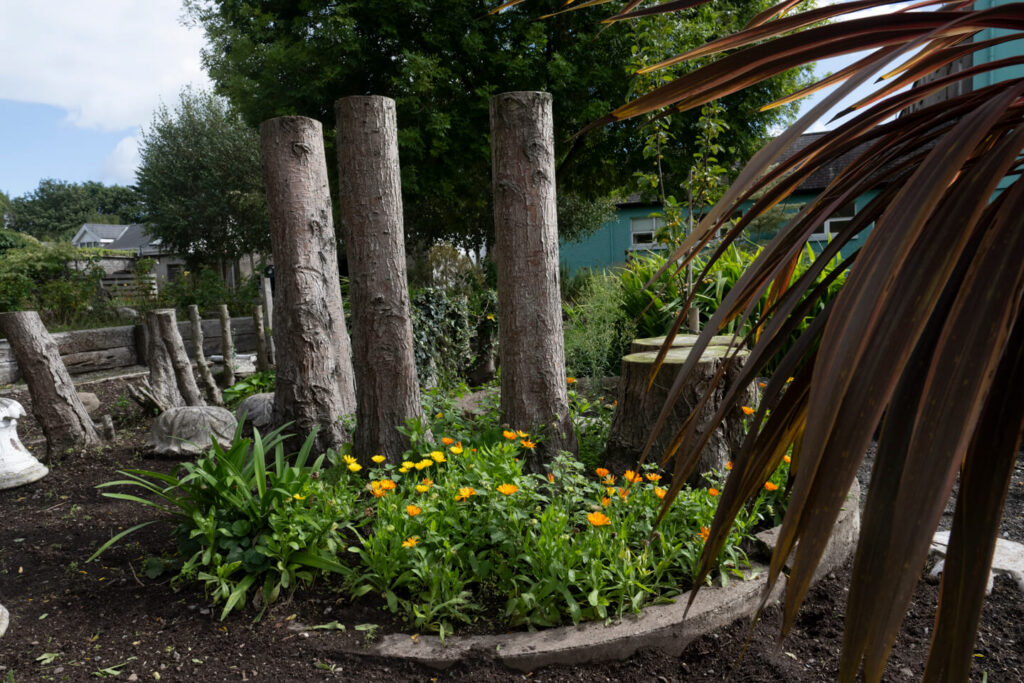
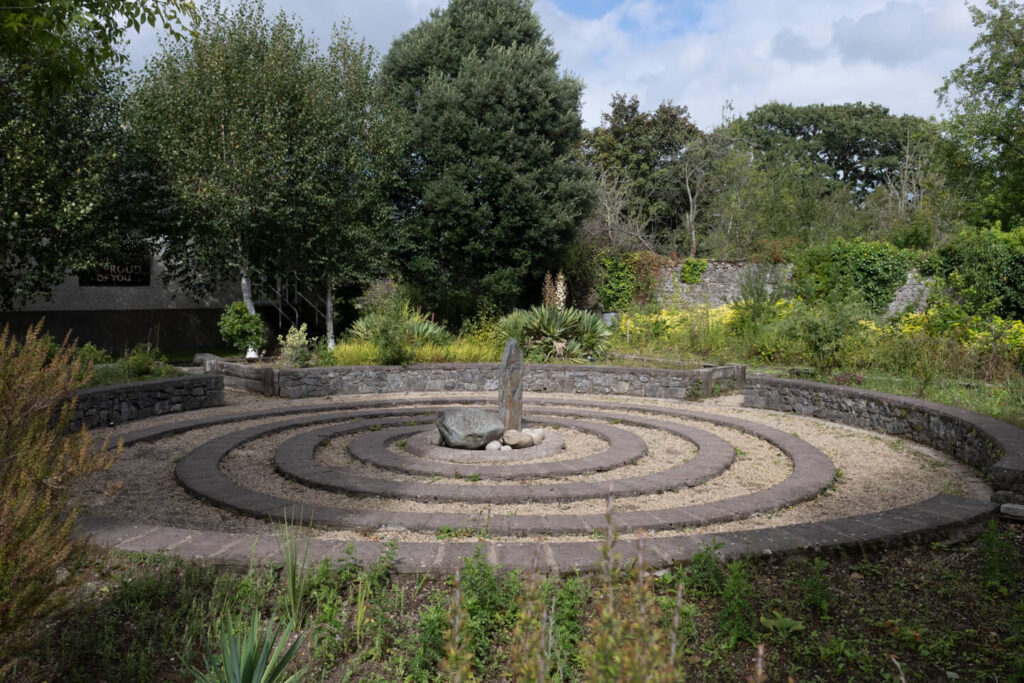
Gallery



Outcomes
The Parent and Infant Unit aims to:
- Strengthen parent-infant relationships.
- Improve parenting confidence and skills.
- Support infant safety and wellbeing.
- Increase understanding of a family’s strengths and needs.
- Provide clear recommendations for future planning.
- Support families to access ongoing community supports.
- Reduce the likelihood of future crisis and family breakdown.
The work of the Parent and Infant Unit is measured along a clear continuum of outcomes. And where it is deemed not safe for an infant to be cared for by their parent(s), we provide clear, compassionate recommendations for what the infant needs — and what the parent needs — even in those hardest of circumstances.
Early intervention at this stage of life carries long-term impact — for the infant, for the parent, and for society. When a family is supported effectively here, we reduce the likelihood of further trauma, additional family separations.
Referral Details
- The Parent and Infant Unit will only consider a family for admission after receipt of a referral form.
- We ask that referrers complete our referral form in full to help us review each case quickly and fairly.
- On receipt of the referral, our multidisciplinary team will review each case based on the individual merits of the family and their suitability or readiness for the programme.
- If the team consider that the Parent and Infant unit may be able to meet the family’s needs, the parent(s) along with the referring agency will be invited to attend for a pre-admission meeting in Childhood Matters.
- Not all referrals are accepted in the Parent and Infant unit.
- Where there is active domestic violence with no exit plan from the relationship, active addiction/misuse of substances without demonstrated commitment to recovery, or where parents experiencing acute mental health difficulties or relational issues that are not conducive to communal living, we encourage referrers to help parents seek appropriate help and support for themselves before attending the unit with their infant.
Who Can Refer: Tusla Child Protection Services
Geographic Coverage: Referrals accepted from across Ireland, subject to capacity
What can I expect from the assessment process?
We understand that it is extremely difficult to be observed and assessed. It is not our intention to judge you, we are here to support, not to catch people out. Our approach is collaborative, strengths-based, using a Infant Mental Health and Trauma Informed model. We look for what is working well and build on it, while being honest about risk.
What happens to my infant if the assessment does not go well?
If our team concludes that an infant cannot safely remain in a parent’s care at this time, we will make this recommendation clearly, compassionately, and with full transparency.
We will also make detailed recommendations about what both the parent and child need going forward, including future reunification possibilities in many cases.
Can my partner or another family member stay with me?
Couples can be referred together. Please discuss the specific circumstances of your family at the point of referral.
How long is a placement?
Placements are typically 12–16 weeks.
I am feeling nervous, confused and angry, can you provide me with more details as a parent to help me with this decision?
Absolutely. Many parents feel anxious, uncertain or overwhelmed before arriving. Moving away from home and taking part in an assessment can feel daunting. Our team understands this and will do everything possible to help you feel welcomed, supported and informed throughout your time with us.
How does the Childhood Matters team help me?
The team at Childhood Matters focus on supporting parents to achieve their best, recognising the right of all persons to be treated fairly with dignity and respect.
Through these relationships we provide guidance and support to each individual client to develop their self-esteem and learning of parenting, life and social skills.
There is a strong emphasis on realistic expectations and parent(s)’s capacity to change.

Could this service help someone you support?
When you’re ready, follow the referral steps to get in touch with our team.