
Practice
Infant Mental Health
A baby's mental health is built in relationships, not in isolation. This is the area Childhood Matters intends to lead on nationally.
Infant mental health is the developing capacity of the child, from conception to three years of age, to experience, regulate and express emotions, to form close interpersonal relationships with peers and adults, and to explore the environment and learn.
Babies and infants develop in relationship to their primary caregivers. Research has shown that early experiences build brain architecture, with 90% of brain growth happening by six years of age. Memories develop young and are often non-conscious. Our brains are social and relational, and infants’ brains develop through interactions with their parents and carers.
Attachment and infant mental health
Infants develop positive mental health through receiving consistently responsive, sensitive and loving care, so that they feel loved and secure. This is a central part of the attachment relationship, where the primary caregiver provides the infant with a secure base from which to explore and, when necessary, a haven of safety and a source of comfort. This teaches infants that the world is a safe place, helping them develop representations of themselves as worthwhile and of relationships as safe and trustworthy.
Parental reflective functioning, or mentalising ability, also plays a key role. This involves parents’ and carers’ ability to recognise their infant’s behaviour in terms of the infant’s mental states – feelings and thoughts that are separate and different from their own.
Insecure attachment can leave infants more vulnerable to emotional and psychological difficulties later in life, alongside genetic, developmental, trauma and environmental factors. Supporting the developing attachment relationship between parent and infant is therefore central to everything we do.
What happens without positive early relationships
- Infants can seem sad, lethargic, angry or even depressed
- They may develop eating or sleeping problems
- They may rely on themselves for comfort and nurturing
- They may seek attention from any adult, which may place them at risk
- They may not meet their developmental milestones
- They may have behavioural and emotional difficulties
Parents and caregivers can also be a source of their baby’s distress, by being overstimulating, confusing, rejecting, dismissive, unresponsive, or angry and frightening.
What would babies tell us if they had words?
- From the moment I was born I was ready to connect with you
- Hold me, cuddle me and look into my eyes
- Respond kindly to me when I cry, as my cry is my way of communicating with you
- Talk to me and pause so I can respond in my own way
- Play with me each day, giving me your full attention and sharing enjoyment with me
- I like consistency and routines so I can learn to predict what we are going to do and how you are going to respond
Play
Play develops imagination and helps children learn and make friends. Play may be difficult for some parents, or they may not know how to play. Create a safe play environment with age-appropriate toys within reach, follow your child’s lead, watch what your baby is drawn to, and talk to them about what they are doing and how they may be feeling. You are your child’s best toy.
Consistency
Consistent care is important for babies, along with routines for sleeping and feeding, so infants can predict what is going to happen next and feel more secure. Parents and carers are not perfect and will make mistakes. What matters is that we repair – noticing when we have tuned out, or are finding it hard to understand what our baby needs, and showing them we are still there.
Practice Area Highlights
The first three years
Infant mental health is the developing capacity of a child, from conception to age three, to experience and regulate emotions, form close relationships, and explore and learn.
It is relational work
You cannot treat an infant in isolation. The unit of intervention is the relationship between baby and caregiver, and many parents are managing their own unresolved history at the same time.
Prevention beats remediation
Early experiences build brain architecture, with 90% of brain growth happening by six years of age. Supporting a struggling parent at three months costs a fraction of supporting a dysregulated child at eight years.
What we do to protect children and families

Signs that early relationships are not working
Infants can seem sad, lethargic, angry or even depressed. They may develop eating or sleeping problems, rely on themselves for comfort, or seek attention from any adult in a way that places them at risk. They may not meet developmental milestones.
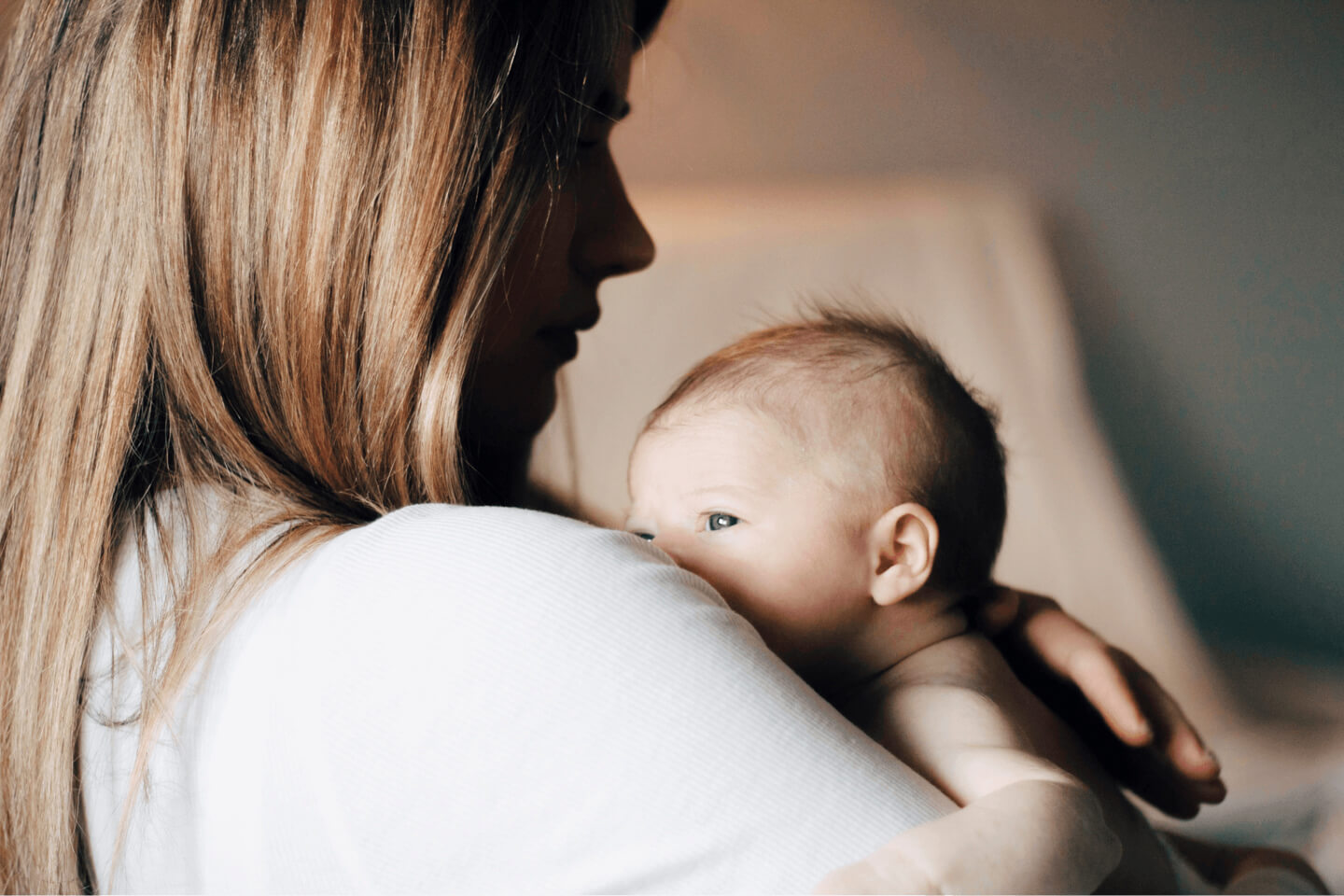
Reflective functioning matters
We support a parent's capacity to recognise their infant's behaviour in terms of the infant's own thoughts and feelings, separate from their own. This is what makes attunement possible.

A secure base to explore from
Consistently responsive, sensitive and loving care teaches infants that the world is a safe place, helping them develop representations of themselves as worthwhile and of relationships as safe and trustworthy.
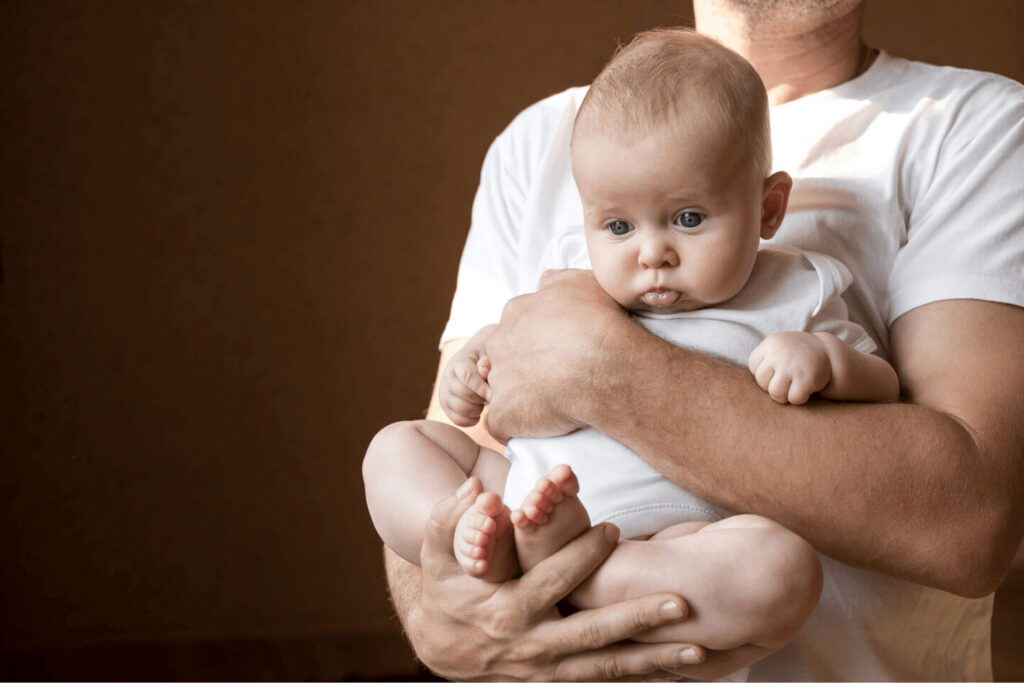
Attunement
Attunement means noticing and responding to a baby's cues to meet their physical and emotional needs - their different cries, their smiles, when they turn their head away, their babble, their sleepy signs, how they move when excited or upset. Every baby has a different temperament. Some are slower to warm up or more sensitive, and new experiences should be introduced slowly.
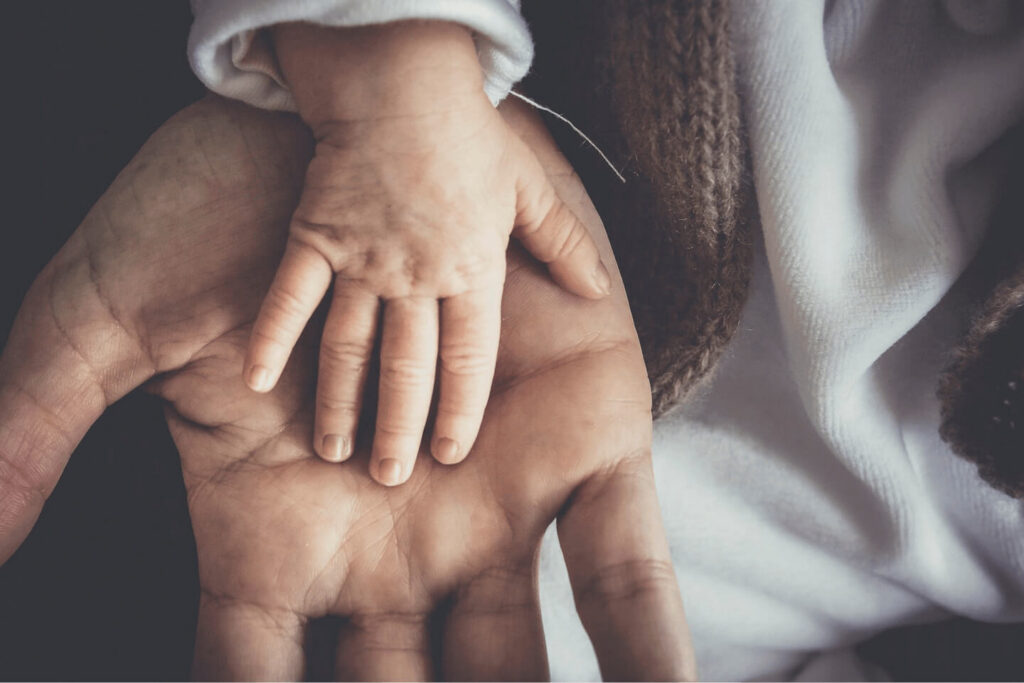
Sensitive and loving care
Showing warmth and love, and responding in loving ways when a baby is upset - picking them up promptly, cuddling, soothing. This is co-regulation. It means responding in a timely way rather than leaving a baby to cry it out, showing we understand their feelings, and staying calm and taking care of ourselves, because this is hard.
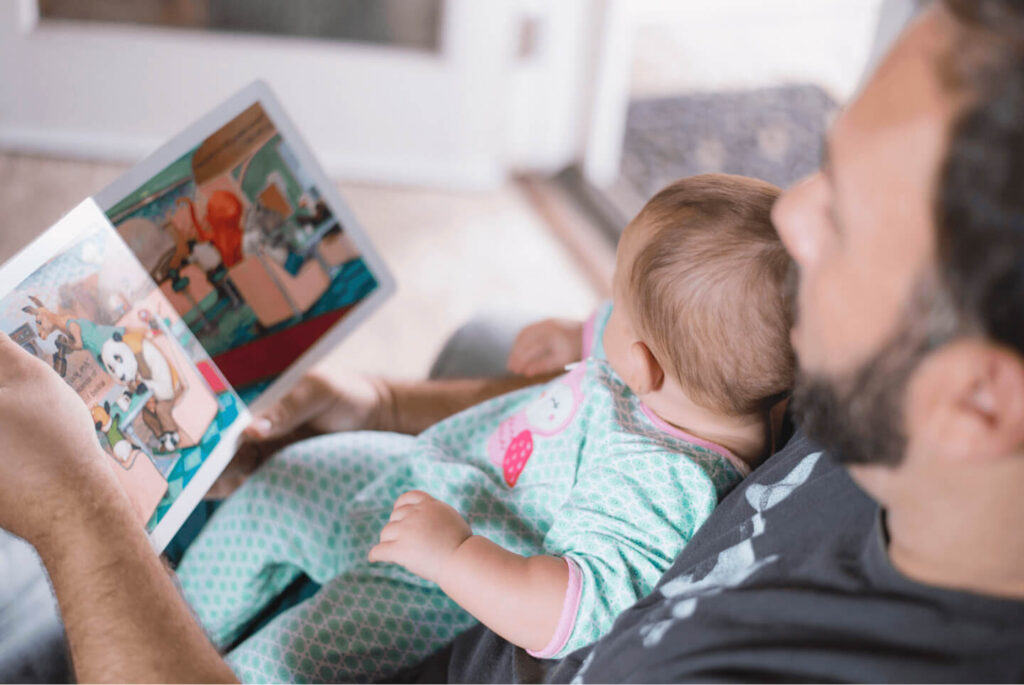
Serve and return
Back-and-forth interaction between parent and baby, like a tennis match. The baby serves by reaching out through eye contact, gesture, expression, babbling or touch. The parent returns the serve by noticing, responding, talking, playing or sharing a laugh, and allowing the baby to respond in turn.
Resources
-
Recognising Signs of Neglect A short guide for social workers on recognising early signs.
-
Making a Referral Step by step notes on how to make a referral to our team.
-
Gender Pay Gap Report 2024 to 2025 – Childhood MattersSee More
FAQ's
Is CHIPPS a mental health assessment service?
No. CHIPPS is an intervention and support service, not a diagnostic assessment service. We use formulation to determine our understanding of the child’s presentation and are here to provide therapeutic support to improve outcomes for children in care.
What is developmental trauma?
Some primary caregivers may not be in a position to provide adequate physical, emotional and psychological safety to children in their care. Developmental trauma refers to harmful or adverse experiences in a child’s life, often related to primary caregivers. Children can also be impacted from pre-birth trauma such as exposure to alcohol/drug use in utero or maternal experiences of violence/toxic stress. These experiences can affect how a child’s brain and body develop, and how they relate to others. Developmental trauma isconsidered cumulative, and can happen over time. This shapes how a child experiences the world around them.
My child has already been diagnosed with ADHD or autism — can they still be referred?
Yes. CHIPPS will carefully consider every referral. Some children carry diagnoses that may not fully explain their difficulties. We take a thorough and trauma-informed approach to assessment and support.
How long will we wait for a place?
Current average waiting time is approximately 9 months. This will vary with caseload demands and staffing capacity. During this time, the CHIPPS consultation pathway may be deemed appropriate to provide support and guidance for social workers, carers and others involved with the child’s care.
What is the difference between CHIPPS and CAMHS?
CAMHS is a diagnostic psychiatry led mental health service for children and young people with moderate to severe mental health concerns. CHIPPS is specifically focused on children in foster care who have experienced developmental trauma. The two services oftenwork closely together – for example, if a child needs medication support, or presents as high risk with low mood or suicidality, CHIPPS will work with CAMHS collaboratively.
Is there evidence that early support for children in care is worth the investment?
Yes. Research from the UK indicates that investing early in specialist therapeutic support is significantly less costly than the alternatives. Without early intervention, children affected by developmental trauma are more likely to face escalating difficulties in education, physical and mental health, and involvement with the justice system later in life, all of which carry a far higher cost to the child and to society.
Has CHIPPS been evaluated, and what has this shown?
CHIPPS is committed to ongoing evaluation of its impact, using validated pre- and post-intervention measures. Our outcomes show stronger relationships with children and carers, better understanding of how to support young people, carers and children having more tools to cope with challenges. Professionals report feeling supported dealing with complexity.