
Practice
Parents Under Pressure
An evidence-based, 20-week programme for parents under significant stress, built on what they already do well.
Childhood Matters uses the Parents Under Pressure (PUP) parenting programme, and all Family Development Practitioners are trained to accreditation level in the model. It is an evidence-based model combining psychological principles of parenting, child behaviour and parental emotion regulation, helping parents under stress to develop their parenting skills and capacity.
PUP takes a strengths-based approach, focusing on the aspects of care parents already do well in order to build their confidence. PUP therapists work with parents to develop their understanding of their child’s development while responding to the child’s emotional needs, improving the way they interact with their child. Other methods are incorporated into delivery, including psychometric assessment, a parent workbook, mindfulness and video feedback where the assessment indicates it.
Mindfulness is fundamental to the programme and to its proposed method of change, supporting parents to recognise and regulate their emotions while being fully present during daily interactions with their child.
PUP is a manualised intervention supported by an asset-based model. It addresses the complex and multiple problems specific to the families we work with through a tailored programme. The order and dose of each module is customised to the needs of the family, so the programme is structured but not necessarily sequenced.
PUP generally runs over 20 weeks and comprises 12 core modules, beginning with a full assessment and goal setting. Sessions are usually confined to two hours, with any necessary case management taking place outside them.
The 12 modules
Module 1: Assessment
Identifies the diverse problems families may be facing and helps parents understand how these may be affecting their parenting, building a shared understanding of the family’s current concerns, strengths and areas of difficulty. This is used to decide priority target areas for change.
Module 2: Checking out priorities and setting goals
Provides feedback on the assessment, arrives at shared goals to work towards, and develops a way of monitoring progress. This module also looks at the potential involvement of partners or other carers in the programme.
Module 3: View of self as a parent
Helps parents reflect on how they see themselves as parents, in order to develop insight into their parenting styles and practices.
Module 4: Managing emotions when under pressure
Teaches and encourages the use of emotional regulation, positive thinking and self-soothing skills. This is often complemented with other direct and group interventions within the Childhood Matters clinical framework.
Module 5: Health check your child
Opens up a discussion on health, hygiene and nutrition. These are often difficult topics to discuss, but all are important to the wellbeing of children.
Module 6: Connecting with your child, mindful play
Promotes a positive parent-child relationship by encouraging sensitive and responsive parenting, giving the maximum opportunity for a nurturing and loving relationship to develop.
Module 7: Mindful child management
Helps parents manage their child’s difficult behaviour, including specific non-punitive child management techniques, and the importance of being in the right state of mind for discipline to be fair and effective.
Module 8: Managing substance use problems
Ensures parents are not drinking at risky levels or at risk of developing substance use problems, and builds the skills and confidence to avoid them. For those who have already developed a problem, strategies are discussed to ensure potential lapses do not become relapses.
Module 9: Extending support networks
Teaches parents effective ways to extend their support networks, including modelling social interactions to help parents feel confident in social situations.
Module 10: Life skills
Teaches practical life skills where these do not already exist, including budgeting, nutrition, health care and obtaining housing.
Module 11: Relationships
Addresses communication skills and other difficulties in adult intimate relationships, for use when a parent needs to learn to communicate effectively with their partner or when the relationship is under strain.
Module 12: Closure
Completing the programme can be a time of mixed emotions, and for many it is a celebration. It may be the first time a parent has successfully completed anything, let alone had concrete evidence that they are in control of their parenting. The final session is dedicated to reflecting on what the parent has achieved.
Practice Area Highlights
Parental self-efficacy
To empower parents to believe that they can be the parent their baby or child needs.
Nurturing, loving relationships
To develop nurturing and loving relationships with their babies and children. Attachment is critical, and it can begin in the prenatal period.
Understanding and managing emotion
To ensure parents can understand and manage their own emotional state. Impulsivity prevents parents from connecting with their infant and supporting optimal development.
What we do to protect children and families

Evidence-based and accredited
All Family Development Practitioners are trained to accreditation level in the PUP model. It combines psychological principles of parenting, child behaviour and parental emotion regulation.
Strengths-based, not deficit-based
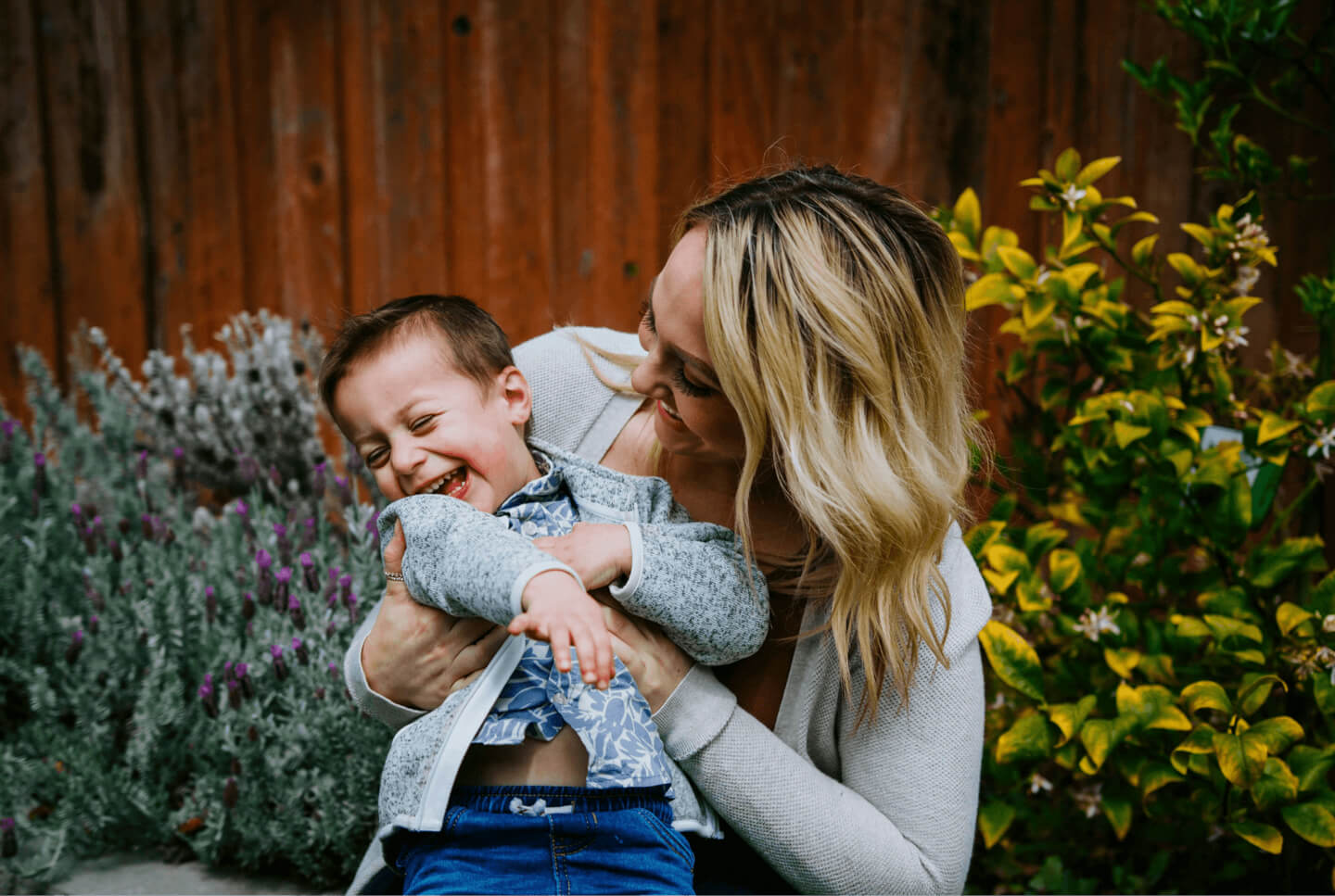
The focus is on the aspects of care parents already do well, in order to build confidence - not on cataloguing what is going wrong.
Tailored, not sequenced
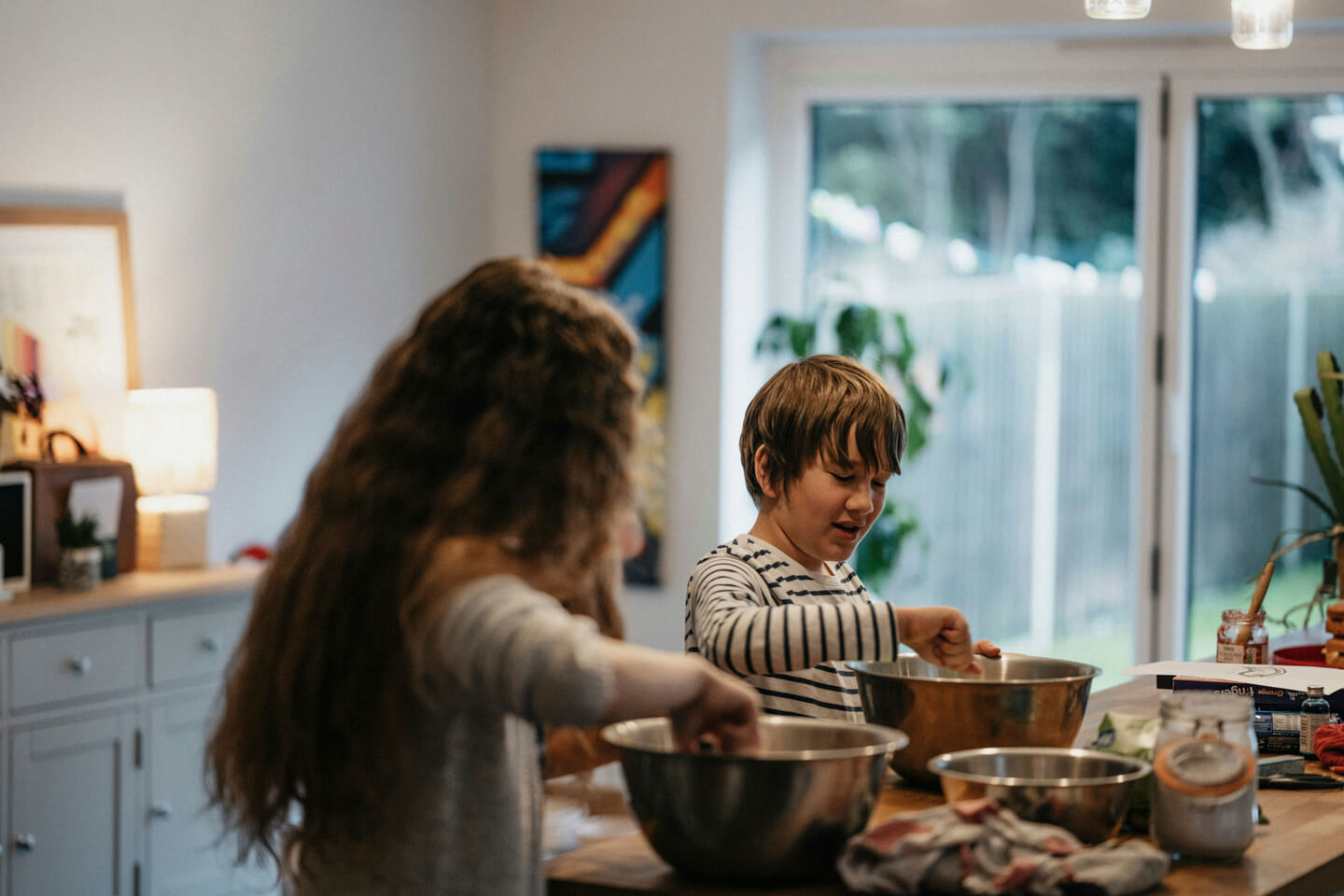
The order and dose of each module is customised to the family. The programme is structured but not necessarily delivered in sequence, so it fits the family rather than the other way round.

Assessment and goal setting
Modules 1 to 3. The programme opens by identifying what the family is facing and how it affects their parenting, agreeing shared goals and a way of monitoring progress, and helping parents reflect on how they see themselves as parents.

Emotion, mindfulness and the child
Modules 4 to 8. Emotional regulation and self-soothing, health, hygiene and nutrition, mindful play to build the parent-child relationship, non-punitive child management, and managing substance use where it is present.

Networks, life skills and closure
Modules 9 to 12. Extending support networks, practical life skills such as budgeting and housing, communication in adult relationships, and a closing session dedicated to reflecting on what the parent has achieved.