
Practice
Trauma Informed Care
Understanding what a child has lived through, and letting that shape every part of how we respond.
Trauma refers to an experience, or experiences, that result in feelings of helplessness, fear, loss of control and threats to life. It can feel like the mind is flooded and cannot make sense of what is happening, or that the mind and body are frozen in fear. Childhood abuse, domestic violence, poverty and violent assault are all forms of traumatic experience.
Children are very vulnerable to experiencing long-term trauma through abuse – physical, sexual, emotional or domestic violence – and through neglect. This is also called developmental or complex trauma, because of its impact on a child’s developmental outcomes and on their mental, emotional and physical health later in life.
The impact of developmental trauma
Children develop their personality and ways of dealing with the world mainly through relationships with parents and caregivers. If they are not safe and not cared for, they develop coping strategies to survive what has happened to them. They may blame themselves and feel a deep sense of fear and shame. They may find it very difficult to trust others, in childhood and as adults. Often children who have experienced abuse have a low sense of self-worth.
Because children’s brains are still developing, it can be hard for them to remember or put into words what happened. They may act it out through challenging behaviour, or withdraw – at home, at school and in their communities. They may find it hard to learn and concentrate, and to make and keep friends.
As adults, people who experienced childhood trauma may struggle in relationships, finding it difficult to trust and always expecting something bad to happen. Often people are not consciously aware of this. It can be hard to understand their own or others’ thoughts and feelings (Van der Kolk, 2015), and when they have their own children this may be particularly hard.
Adverse Childhood Experiences
Over the past twenty years, research has shown the lifelong impact that childhood trauma can have. Adverse Childhood Experiences are potentially traumatic events that occur during childhood, including abuse, neglect, experience of domestic violence and separation. ACEs research has linked childhood trauma to difficulties in adult mental and physical health (Felitti et al, 1998).
Social inequalities and injustices also affect childhood stress and trauma – poverty, discrimination, poor housing, exposure to violence in communities, and a lack of opportunity and appropriate support (Ellis and Dietz, 2017; Nurius et al, 2015).
It is important to know that it is never anyone’s fault when they experience trauma. Children deserve protection, love and care. It is not your fault if you experienced abuse as a child, and help is available.
What trauma informed care means in practice
Trauma informed care involves all staff in an organisation recognising and understanding the impact of trauma on a person’s life and development, on their families, and on society as a whole. At Childhood Matters it shapes how we design services, how we meet people at the door, and how we support our own staff.
- To create a warm, calm environment at our centre and in our community services
- To provide support for and containment of difficult feelings
- To recognise parents’ strengths and empower parents to develop them
- To provide trauma specific services where needed, including psychotherapy and clinical and counselling psychology
- To support families in their communities, or on return to their communities, and to expand their support networks
- To support staff with the possibility of vicarious trauma through reflective supervision, peer support, reflective practice groups and training
- To recognise the coping strategies, skills and defences that helped people survive, and to support them to develop new ones where needed
Trauma is one part of a person’s life
While it is crucial to recognise trauma and create space for people to mourn and heal, it is equally important to recognise individuals’ and families’ strengths, survival and coping strategies, and the aspects of their lives and experiences beyond such events.
Practice Area Highlights
Behaviour is communication
The presenting behaviour is information about need, not a target in itself.
Relationship is the mechanism
Continuity of worker is a clinical variable. Rotating staff is an intervention failure.
It includes the workforce
If supervision and reflective practice are not funded, the model is decorative.
What we do to protect children and families
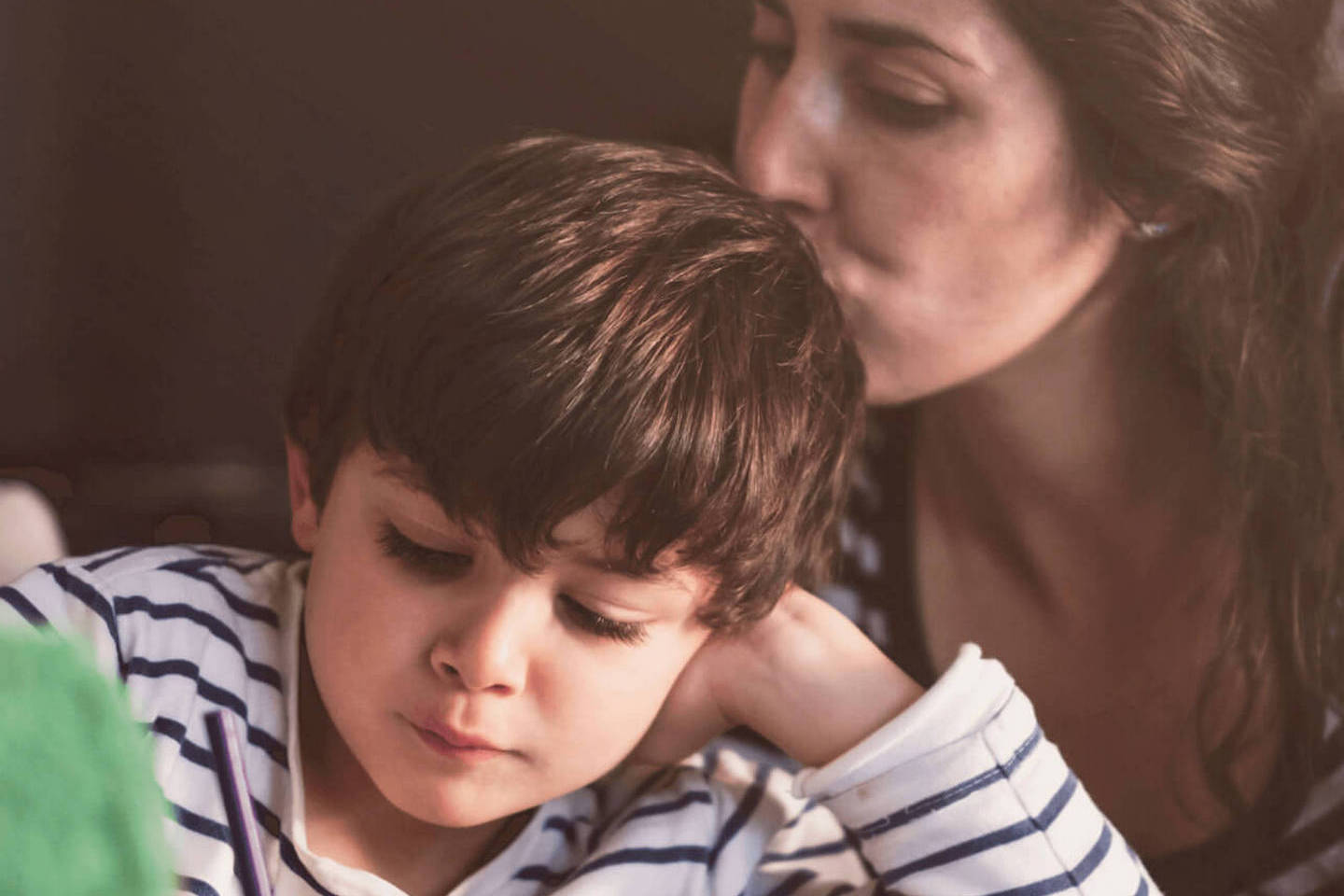
We recognise what people have been through
Not to label or stigmatise survivors of trauma, but to recognise its lasting impact alongside a person's potential for healing and recovery.

We understand that coming to a service is frightening
Entering a service can seem fraught with danger for survivors of trauma, because of the coping strategies they developed for self-protection and symptoms of hyperarousal or avoidance (Eliot et al, 2005).

We empower, we do not just treat
As an organisation we recognise service users' strengths as well as the support they require, and the coping strategies and defences that helped them survive.

A warm, calm environment
We work to create a warm, calm environment in our centre and in our community services, providing support for and containment of difficult feelings, and recognising and building on parents' strengths.
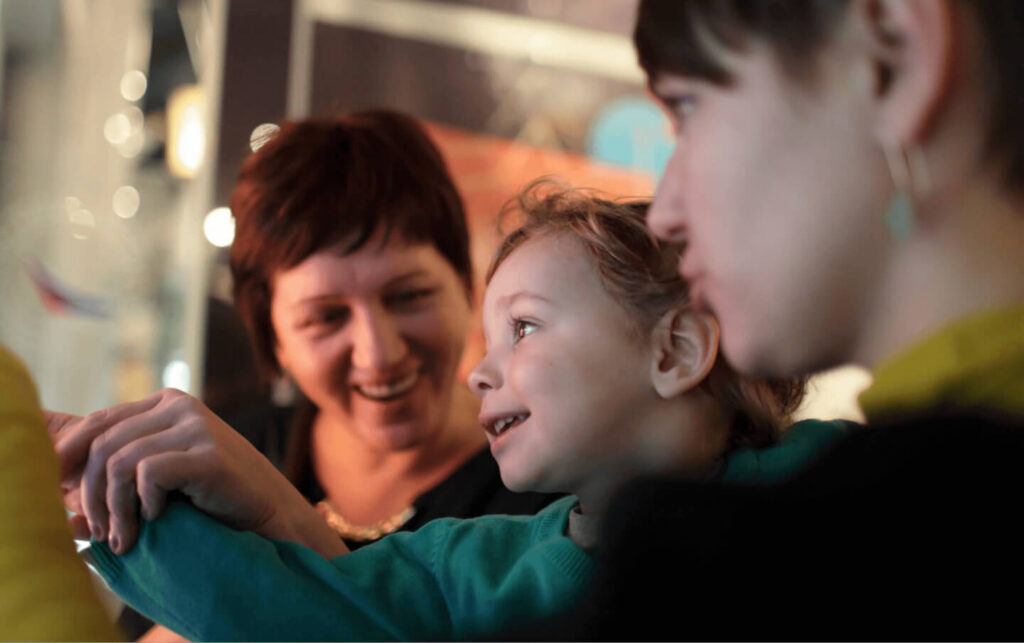
Trauma-specific services
Where needed we provide trauma-specific support including psychotherapy and clinical and counselling psychology services, and we support families in their communities or on return to them, helping expand their support networks.

Supporting our own staff
Trauma-informed practice includes the people delivering it. We support staff with the possibility of vicarious trauma through reflective supervision, peer support, reflective practice groups and training.
Resources
-
Recognising Signs of Neglect A short guide for social workers on recognising early signs.
-
Making a Referral Step by step notes on how to make a referral to our team.